 plan
SingPost sells and leases back 10 HDB shophouses as profit jumps
One-off property gains lifted reported profit to S$55.9 million. The postal company also improved its underlying result as it reshapes its neighbourhood network.
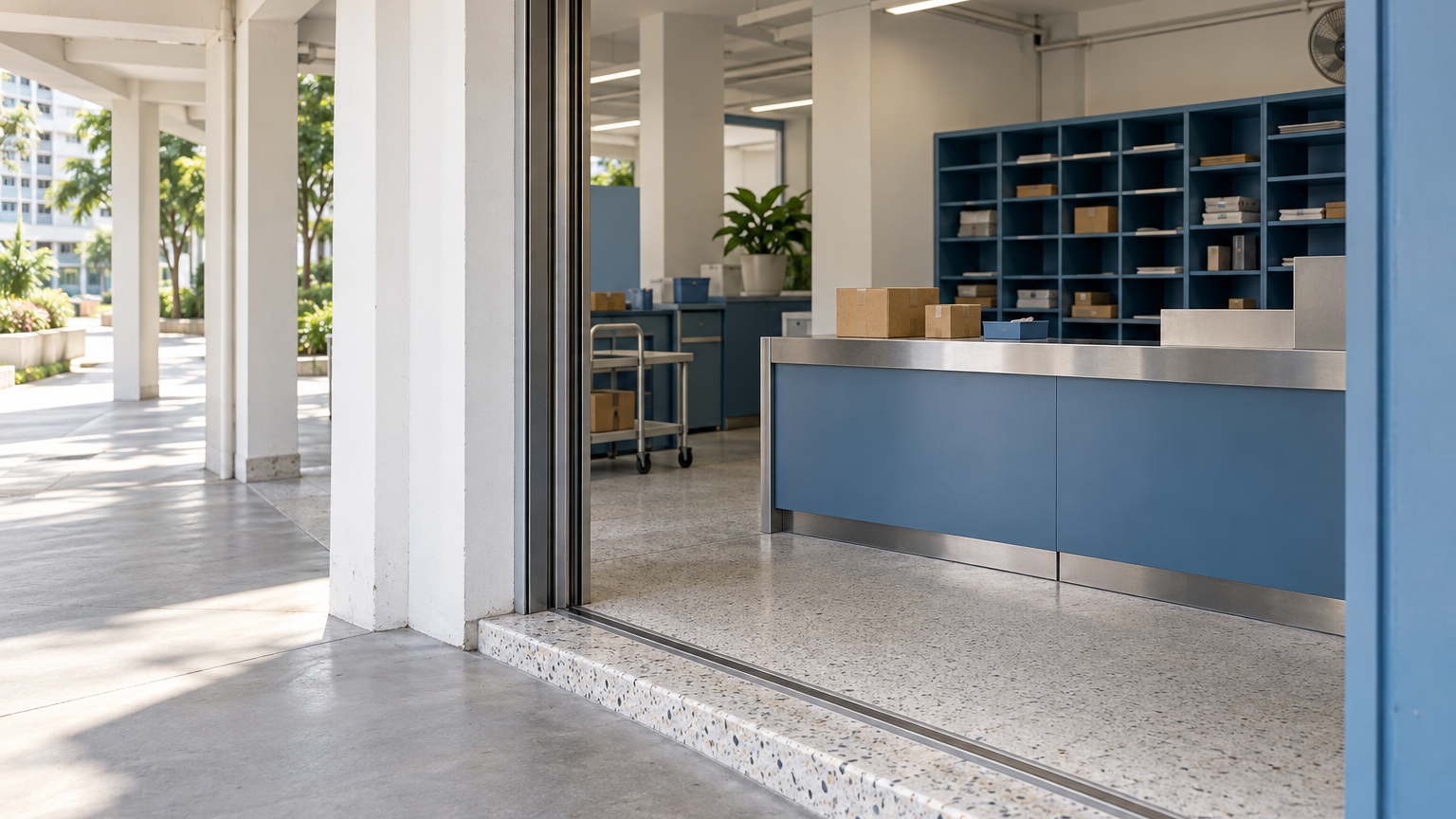
Singapore Post has sold 10 HDB post-office shophouses and leased them back, with one-off gains from the transaction largely driving a sharp increase in its reported earnings. The national postal company announced on Nov 6, 2026 that net profit for the six months ended Sep 30 rose 183.7% to S$55.9 million.
The interesting part is the choice to sell the properties while leasing them back for use. For people who rely on neighbourhood postal services, that makes this a story about changing property ownership alongside a changing service network—not simply a sale of premises. SingPost separately outlined a target of 30 post-office branches and 50 self-service lobbies by end-March 2027.
Two profit figures tell different parts of the story
The headline profit increase was substantial, but SingPost also reported a second measure: underlying net profit of S$11.5 million, up 107.5% from a year earlier. This measure excludes exceptional items, separating them from the company's underlying result.
Subtracting that figure from reported net profit gives a S$44.4 million gap. That is a calculation using the two reported measures, not a disclosed valuation of the shophouses or the proceeds from their sale. SingPost identified the sale-and-leaseback gains as the main driver of the increase in reported profit; the entire gap should not be relabelled as the gain on those properties.
There was improvement beyond the property transaction. SingPost attributed its stronger underlying result to operational improvements, better domestic parcel delivery performance and its Post Office Network. A tax provision write-back also helped, so even the underlying figure needs to be read with that contribution attached.
The useful distinction is between a large earnings uplift helped by a one-off property transaction and a smaller, improving underlying result. Both belong in the picture: focusing only on S$55.9 million would obscure the scale of the underlying business, while focusing only on the exceptional gain would miss its improvement.
More parcels, fewer letters—and slightly less revenue
Revenue did not follow profit upwards. It fell 1.3% to S$185.9 million, largely because of lower international revenue. SingPost said international logistics revenue declined 28.6% despite a 9.1% increase in cross-border parcel volume, as cross-border letter mail continued to shrink.
The domestic business showed a similar contrast between parcels and letters. Domestic parcel deliveries increased 23.8%, while domestic letter-mail volumes fell 15.6%. Postage adjustments and the growth in parcel deliveries partly offset the effect of fewer letters.
These movements help explain why a much larger bottom-line profit can coexist with slightly lower revenue. The property gain lifted reported earnings, while the operating business was still working through a shift in what customers send. SingPost said cost management helped narrow the logistics and letters segment's operating loss to S$2.5 million.
For a reader watching the company's neighbourhood presence, the relevant change is therefore broader than who owns the premises. The service network is supporting a business handling more domestic parcels but fewer domestic letters, with both activities moving in different directions.
What changes at the neighbourhood counter?
SingPost's stated destination is 30 branches and 50 self-service lobbies by end-March 2027. It described that network target as supporting long-term commercial viability. The sale-and-leaseback arrangement and the network target are related parts of the company's update, but they are not interchangeable announcements: one concerns property ownership and occupation, the other the intended service footprint.
The Post Office Network was improving financially, although it remained loss-making. Revenue rose 80.8% to S$10.4 million, while its operating loss narrowed 42.9% to S$3.3 million. SingPost attributed growth to retail partnerships, commercial product sales, higher rental contributions and support for the Singtel Special Discounted Shares transfer exercise.
Retail partnerships had been introduced across 11 branches since July, and SingPost expected to expand that presence to 30 branches over the following six months. That gives residents a more concrete development to follow than the profit percentage alone: how the branch network's commercial offering changes as the company works towards its target.
Property still matters beyond the shophouse sale
Separately, SingPost's property assets segment generated S$22.6 million in operating profit on S$40.9 million in revenue, supported by full occupancy at SingPost Centre. The company also reported blended rental reversions of 7% there—the change in rental rates when leases are renewed or new leases signed.
SingPost said it was planning a targeted refresh of the SingPost Centre retail mall, with estimated capital expenditure below S$30 million. That is a different property story from the shophouse disposal: investment in an asset's continued operation rather than a one-off sale-and-leaseback gain.
The next development worth watching is the delivery of the branch and self-service lobby target by March 2027. The property transaction has already helped the half-year earnings; the continuing task is to make the service network commercially viable while letter-mail volumes decline.