 plan
Singapore’s 5.4% growth gives the AI upswing more runway
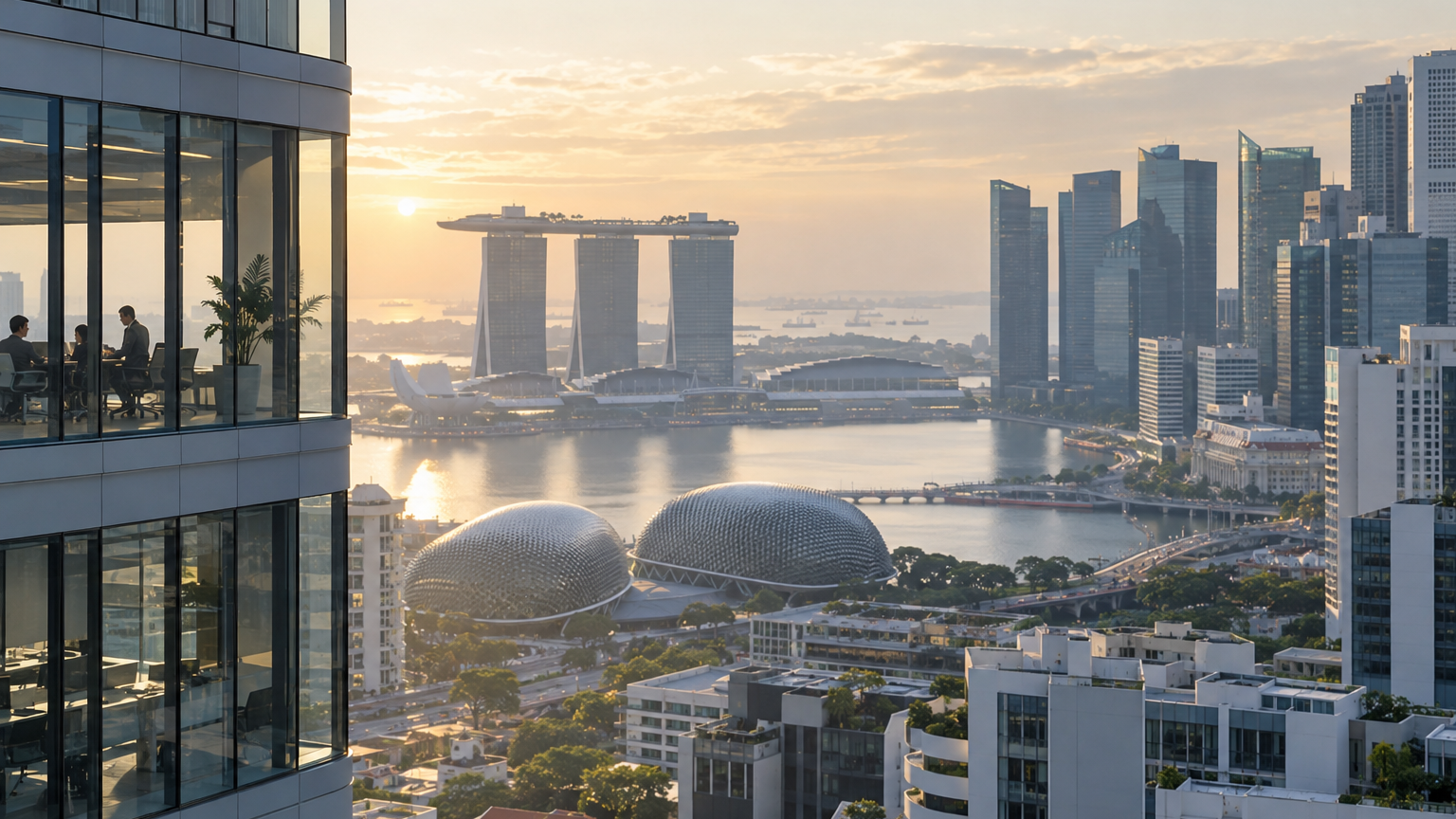
MAS expects technology-led growth to continue into 2027, but households may wait until mid-year for inflation to ease more clearly.
Singapore’s economy expanded 5.4% year on year in the third quarter of 2026, with technology-related sectors leading the way. The Monetary Authority of Singapore (MAS) expects that AI-driven upswing to continue supporting growth in 2027, although the pace is likely to ease later in the year.
For households, the message is mixed but fairly straightforward: economic activity still has momentum, while everyday cost pressures may take longer to cool. MAS expects inflation to ease more clearly only from around mid-2027.
Why MAS thinks the upswing has further to run
AI may sound like an abstract global story, but Singapore’s exposure includes the physical products and production capacity behind it. MAS said strong order backlogs for AI-related products and additional manufacturing capacity should support technology activity into 2027.
This helps explain why the central bank expects technology-related industries to remain the economy’s main growth driver next year. The expansion was not confined to technology in the third quarter: MAS also described construction, financial services and real-estate activity as firm.
The important distinction is between growth continuing and growth accelerating. MAS expects AI-related activity to moderate during the second half of 2027 as the present exceptional expansion loses some speed. Major infrastructure construction and financial-services activity should continue supporting the wider economy.
Put simply, MAS is describing a change of pace rather than an abrupt stop: strong activity now, continued support in early 2027, then a more measured second half.
Inflation may remain uncomfortable first
A growing economy does not necessarily make the supermarket bill, service charge or family budget feel easier immediately. MAS Core Inflation—which strips out private transport and accommodation to show underlying price pressures—was 2.1% year on year in July and August 2026.
MAS forecasts both core and headline inflation at 1.5% to 2.5% in 2027. It expects underlying inflation to stay slightly elevated over the immediate quarters before easing more noticeably from around mid-year.
That timing matters more to households than the broad annual range. If MAS is right, the first part of 2027 may still feel fairly firm on costs even while inflation gradually moves lower. Imported energy and food prices could also upset that path if they rise more sharply than expected.
MAS kept its Singapore-dollar policy settings unchanged on 14 October 2026. Unlike central banks that primarily announce a policy interest rate, MAS manages the Singapore dollar against a basket of currencies within an undisclosed band. It retained the band’s existing appreciating path, with no change to its slope, width or centre.
An appreciating policy path generally helps restrain imported inflation because Singapore buys much of what it consumes from overseas. But it does not translate into a promise that every household expense will fall.
The housing connection is limited
MAS observed firm construction and real-estate activity in the third quarter and expects major infrastructure construction to continue in 2027. That shows the expansion extends beyond electronics factories and technology exports.
It is not, however, a forecast for private-home prices, Housing and Development Board resale prices or rents. Those outcomes also depend on housing supply, household formation, buyer demand, government measures and financing conditions—none of which is settled by one GDP figure.
The same caution applies to mortgages. MAS’s exchange-rate decision is different from setting a local policy interest rate, and individual home-loan costs depend on each package and its benchmark. Global interest rates remain relevant, but the October outlook does not provide a timetable for cheaper mortgages.
A homeowner therefore should not read 5.4% growth as a matching increase in property values. The more useful household interpretation is that employment and business activity enter 2027 with support, while living costs may need several more months to ease clearly.
The forecast still has two large risks
MAS identified a sharper pullback in global AI investment as one downside risk. If companies cut spending more severely than expected, orders and production connected to the technology cycle could weaken, reducing Singapore’s growth momentum.
Higher-than-expected global interest rates are another risk. Tighter financial conditions could weigh on demand and investment, while imported food and energy costs could keep inflation firmer than forecast.
This is why the outlook is best read as a timeline, not a guarantee. Singapore’s economy entered late 2026 growing briskly; committed AI-related demand should carry some of that strength into 2027; inflation may ease more clearly around mid-year; and the fastest part of the technology cycle is expected to cool later on.
For households, that is meaningful without being a cue to rush a property decision: the economy still has runway, but relief in day-to-day costs may arrive more slowly than the headline growth number suggests.