 plan
planPrivate Home Prices Climbed 1.4% as HDB Resale Prices Dipped
Landed homes and suburban condos drove the private increase, while more resale flats changed hands despite a third quarterly decline.
Singapore’s two main home-price gauges parted ways in the third quarter of 2026. Private residential prices rose 1.4% from the previous quarter, while HDB resale prices edged down 0.2%.
The surprise sits in the sales figures. Private transactions slowed based on data available up to mid-September, but 7,528 resale flats changed hands by 29 September—17.7% more than in Q2. More flats were sold even as the broad HDB price index dipped, showing why prices and transaction volumes need to be read separately.
Landed homes and suburban condos led the private rise
The private residential property price index accelerated from a 0.5% increase in Q2 to 1.4% in Q3. This was the quickest quarterly increase since Q4 2024 and brought the gain for the first nine months of 2026 to 2.8%.
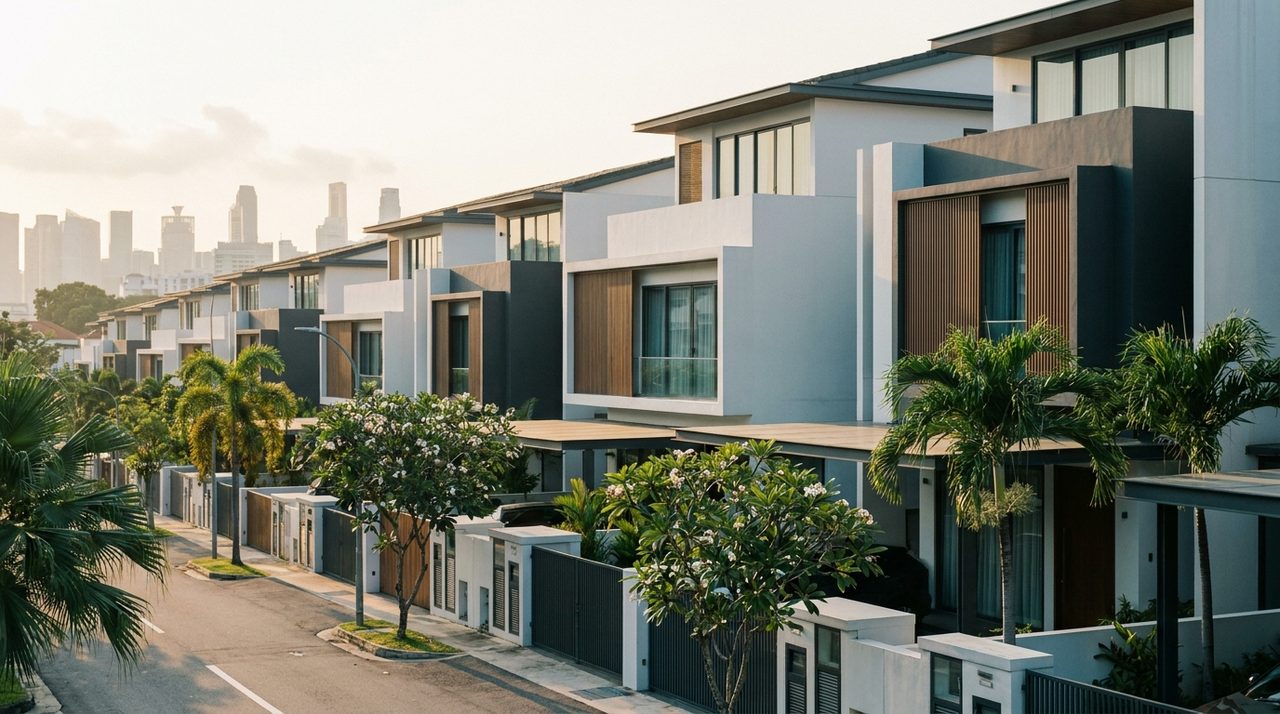
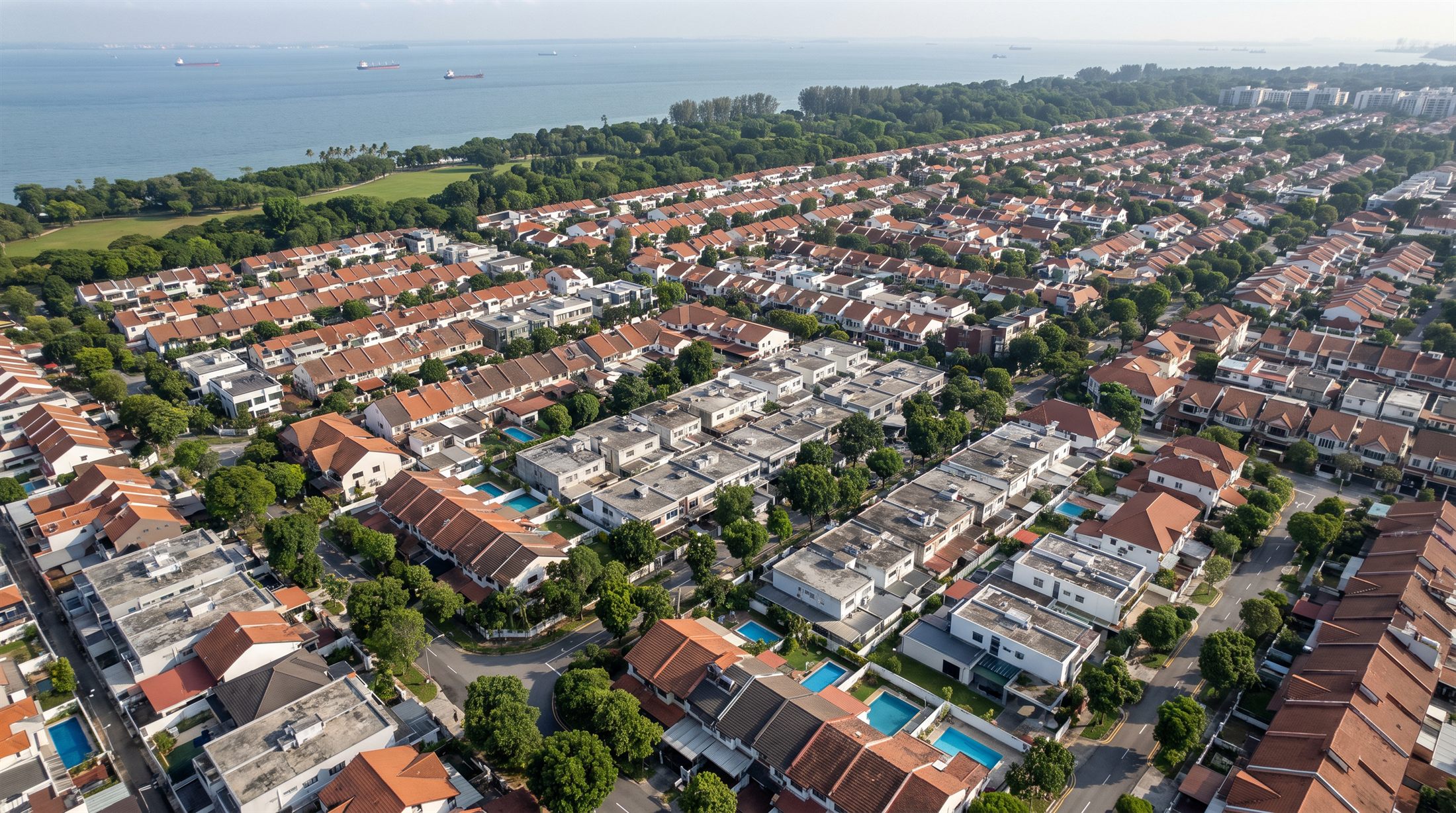
The increase was far from uniform. Landed-home prices climbed 2.8%, compared with 0.9% for non-landed homes such as condominiums and apartments.
Location also made a substantial difference within the non-landed market:
- Outside Central Region, covering broadly suburban locations: up 2.2%
- Rest of Central Region, commonly called the city fringe: up 0.2%
- Core Central Region, covering prime central locations: down 0.1%
In other words, the strongest private-home movements came from landed properties and suburban condos—not from every type of private home. The landed increase was more than three times the non-landed gain, while prime central non-landed prices moved slightly in the opposite direction. That contrast is more useful to an individual homeowner than the headline index alone.
Higher private prices came with fewer recorded sales
URA counted 4,296 private residential sale transactions using information available up to mid-September, compared with 6,148 transactions across Q2. It described the difference as a decline of about 30%, but the Q3 number covers only part of the quarter and should not be treated as a like-for-like full-quarter comparison.
There is no contradiction in an index rising while fewer transactions are recorded. The index tracks price movement, while the transaction count measures how many sales took place. They answer different questions, and the types of homes sold during a period can also influence the overall picture.
The 1.4% private-price figure remains a flash estimate based on transaction and developer sales information available up to mid-September. URA is due to publish the complete Q3 statistics on 23 October 2026, when the partial sales count will be replaced by a full-quarter number.
More HDB resale flats changed hands as prices eased
HDB’s flash Resale Price Index slipped 0.2% to 202.4 in Q3. This followed declines of 0.1% in Q1 and 0.3% in Q2, making it the third consecutive quarter in which the index fell.
Compounding those three quarterly changes produces an estimated decline of about 0.6% over the first nine months of 2026. The calculation indicates a gradual easing rather than a sudden drop, although the Q3 reading remains provisional.
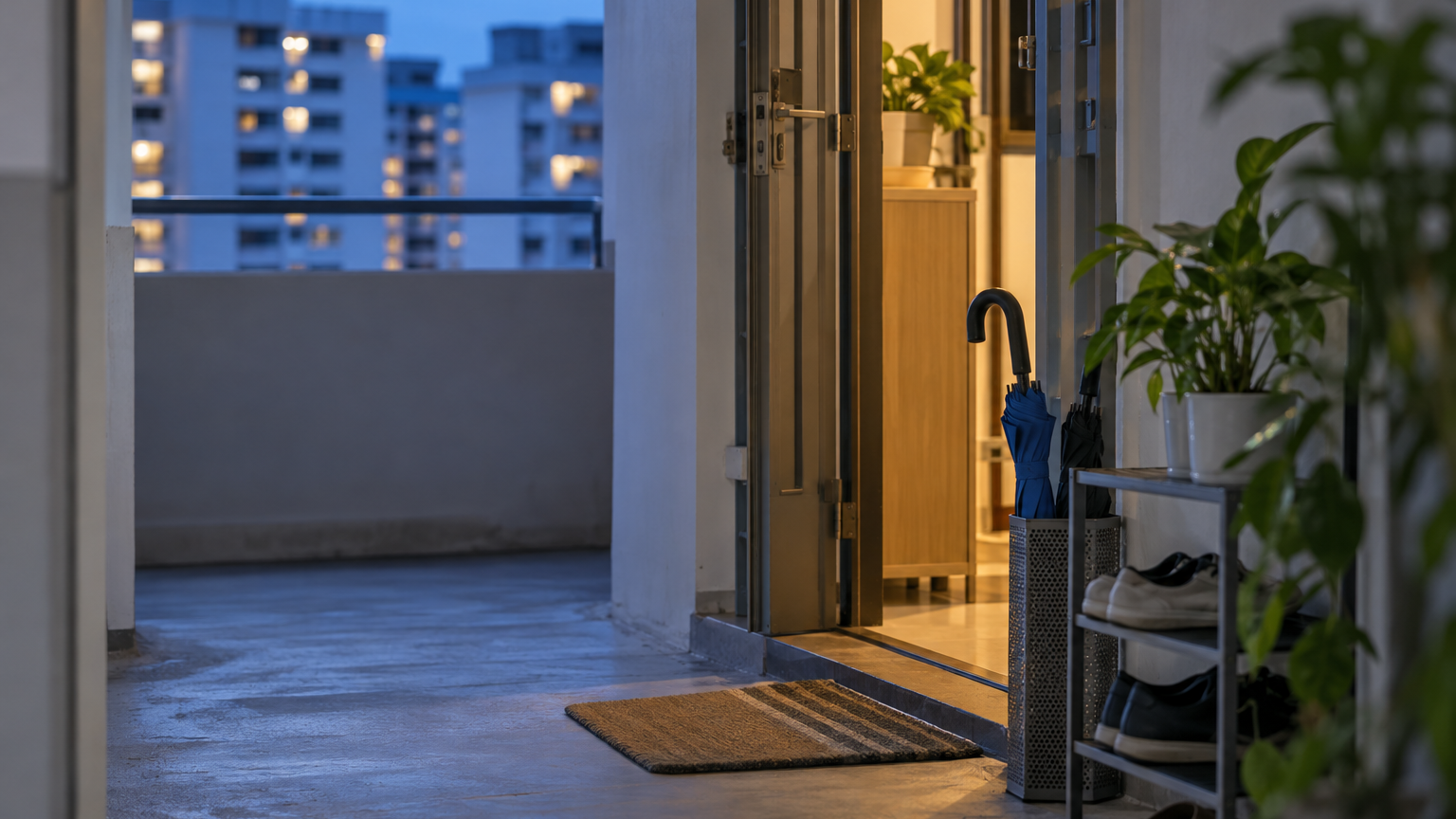
Activity moved the other way. HDB recorded 7,528 resale transactions by 29 September, up from 6,396 in Q2. That was an increase of 17.7% quarter on quarter and 5.2% against the comparable period in 2025.
For households, this is the clearest way to read the apparent contradiction: more resale purchases were completed, but the prices captured across those transactions produced a marginally lower market-wide index. A higher number of sales does not automatically mean that prices must rise.
The HDB transaction total is nearly a full-quarter count, but it stops on 29 September. The eventual Q3 total may therefore differ.
The July rule change is not the ready-made explanation
On 28 July 2026, the Government removed the 15-month wait-out period for current and former private-property owners buying certain HDB resale flats. HDB said it had not observed a significant increase in prices or purchase volumes among these groups following the change.
The available figures therefore do not establish that the rule change caused the broader rise in resale transactions. What they show is simpler: overall HDB resale activity increased while the price index eased slightly.
Supply remains the other relevant backdrop. Sites on the Confirmed List of the Government Land Sales programme can yield 4,745 private homes in the second half of 2026, taking the full-year Confirmed List supply to 9,320 units. About 60,600 private homes, including executive condominiums, are expected to be completed over the next few years.
The next piece of the picture arrives on 23 October. URA’s final figures will show whether the private-price estimate holds—and, crucially, how many private homes were actually sold across the full quarter.