 plan
PM Lawrence Wong cites homes-versus-greenery choices in WP housing critique
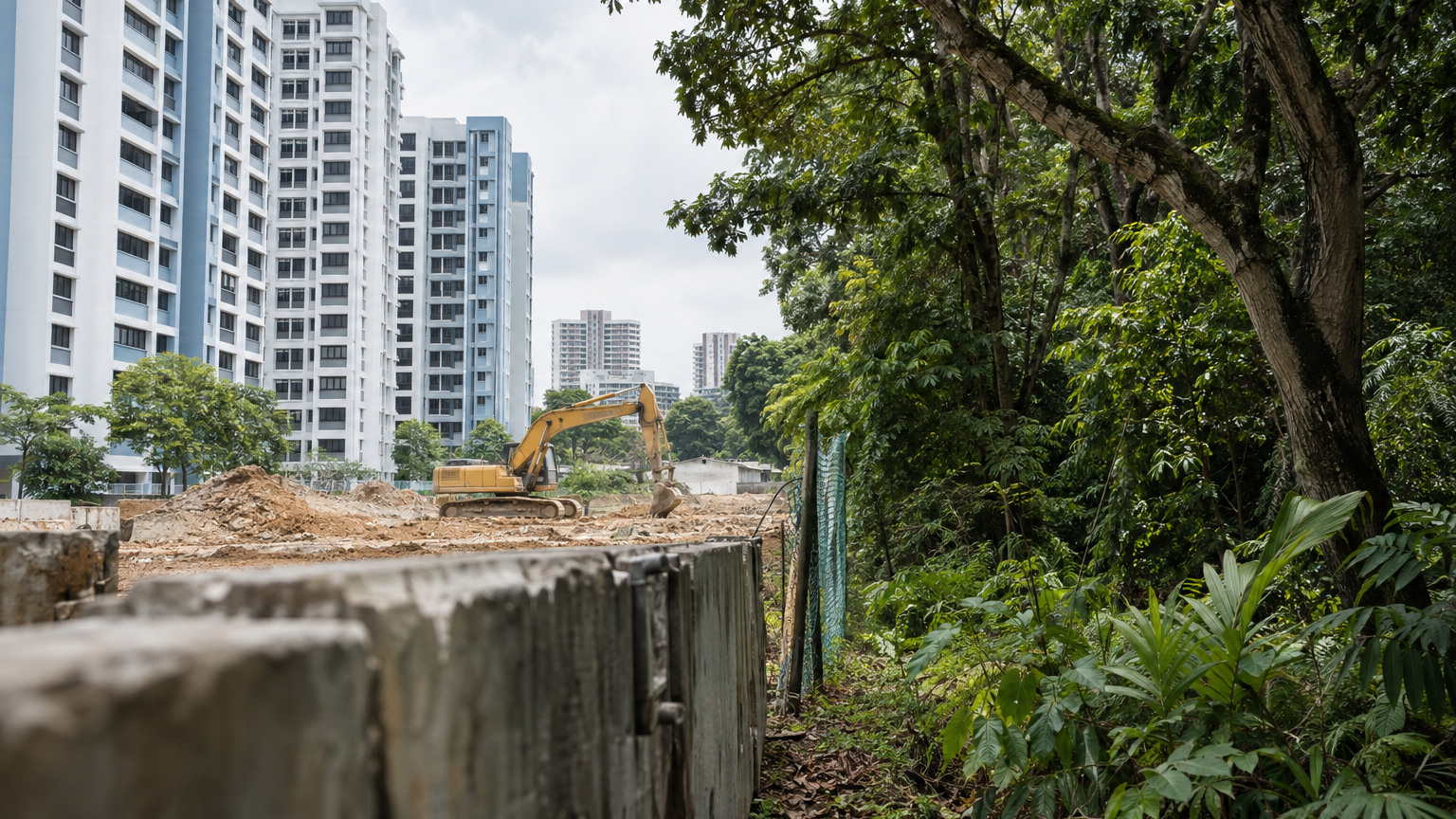
At the PAP’s 2026 conference, Wong named Sunset Way and Gillman Barracks while arguing that more flats require difficult land-use decisions.
Prime Minister Lawrence Wong put a familiar housing dilemma at the centre of his criticism of the Workers’ Party (WP) on 25 October 2026: Singapore still needs more flats, including homes for singles, while also wanting to protect and expand green spaces. Speaking at the PAP Awards and Conference 2026 as the party’s secretary-general, he argued that governing means making choices between those demands.
For someone waiting for a flat, the priority may be getting a home sooner. For someone living beside a potential housing site, the concern may be what happens to the greenery nearby. Wong named Sunset Way and Gillman Barracks in discussing these competing demands, making the argument about places and neighbourhood change rather than housing numbers alone.
What Wong accused WP of changing
Wong’s housing criticism rested on a comparison between two periods. He said WP had argued in 2019 for fewer new flats when Housing Board resale prices were falling, then criticised the Government in 2023 for not building enough after the pandemic disrupted construction. He presented that sequence as an example of policy positions changing with circumstances without adequately reconciling the consequences.
That is Wong’s characterisation of WP’s record, not an independently established conclusion here about what the party’s earlier proposals meant. Assessing it fully would require the wording and context of the 2019 proposals alongside the later statements, rather than treating his summary as the complete historical record.
The distinction matters because the political argument has two parts. One is whether WP’s positions were consistent over time. The other is Wong’s broader contention that a governing party has to weigh competing priorities and take responsibility for the outcome. His speech used housing to connect those two arguments.
Wong also drew comparisons involving foreign manpower. But the housing example offered the most immediate neighbourhood-level question: if more homes are needed, where should they go, and what should be retained around them?
More homes—and the land to put them on
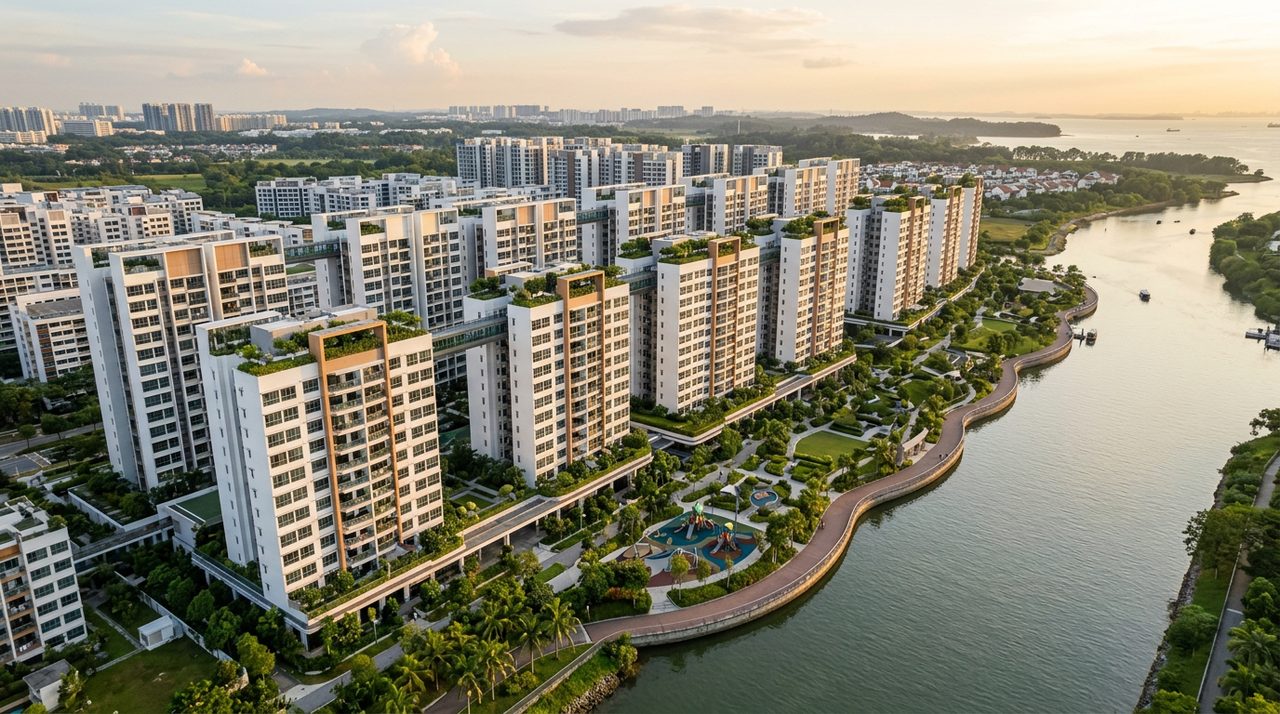
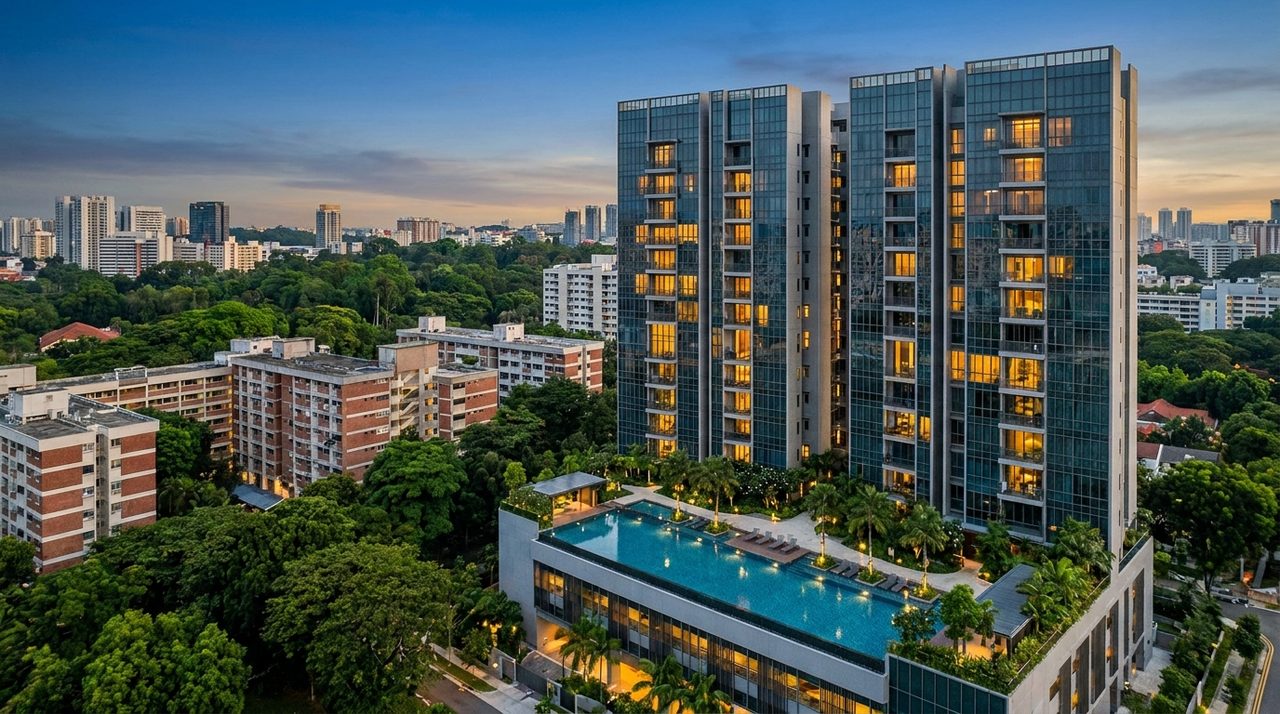
Wong said housing supply had stabilised, but that Singapore still needed additional flats, including for singles. He paired that need with the wish to preserve and expand green spaces, arguing that these objectives require difficult choices.
The useful distinction is between agreeing with an objective and agreeing with its location. Supporting more homes in principle does not settle which sites should accommodate them. Equally, valuing greenery does not answer where the homes sought by future residents should be built. That is the practical tension underlying the examples in his speech.
For a prospective resident, a site can represent a chance to establish a household. For an existing neighbour, the same site can represent a valued part of the surroundings. These are different perspectives on the same land decision—not necessarily a disagreement over whether people deserve homes.
Wong’s references to Sunset Way and Gillman Barracks should be understood in that context: examples in an argument about competing land uses. The reported speech did not establish a new housing launch, a construction timetable or a completed decision about either location.
What WP’s documented platform proposes
WP’s 2025 manifesto provides a separate record of what the party proposes on housing. Introduced by secretary-general Pritam Singh, it sets out a broader programme covering affordability, lease options, ageing flats, singles and rental access. It is not a direct reply to Wong’s October 2026 speech.
Among its proposals are an affordability target linked to new homeowners’ median income, an option for 70-year Build-To-Order (BTO) leases, a universal buy-back scheme for ageing flats and lowering the BTO eligibility age for singles to 28. These are party proposals, not existing entitlements being announced through the manifesto.
The manifesto also records Singh’s February 2023 call for shorter BTO waiting times. That supports the narrower point that WP was pressing for faster housing access by then; it does not, on its own, resolve Wong’s comparison with 2019.
Read together, the documents concern different dimensions of housing. Wong’s argument emphasised reconciling supply with land and greenery. WP’s manifesto addressed who can obtain housing, on what terms and at what cost. Those questions overlap, but they are not interchangeable.
The choice left after the speech
The news here is a political argument about responsibility, rather than a change to housing eligibility or a new supply programme. Wong used housing to argue that the PAP must take a longer view and accept the consequences of difficult decisions.
For residents, the clearest question remains concrete: which places should accommodate additional homes, and how should housing access and green space be balanced there? The speech brought that choice into focus. Settling it requires more than agreement that Singapore should have both enough homes and attractive neighbourhoods.