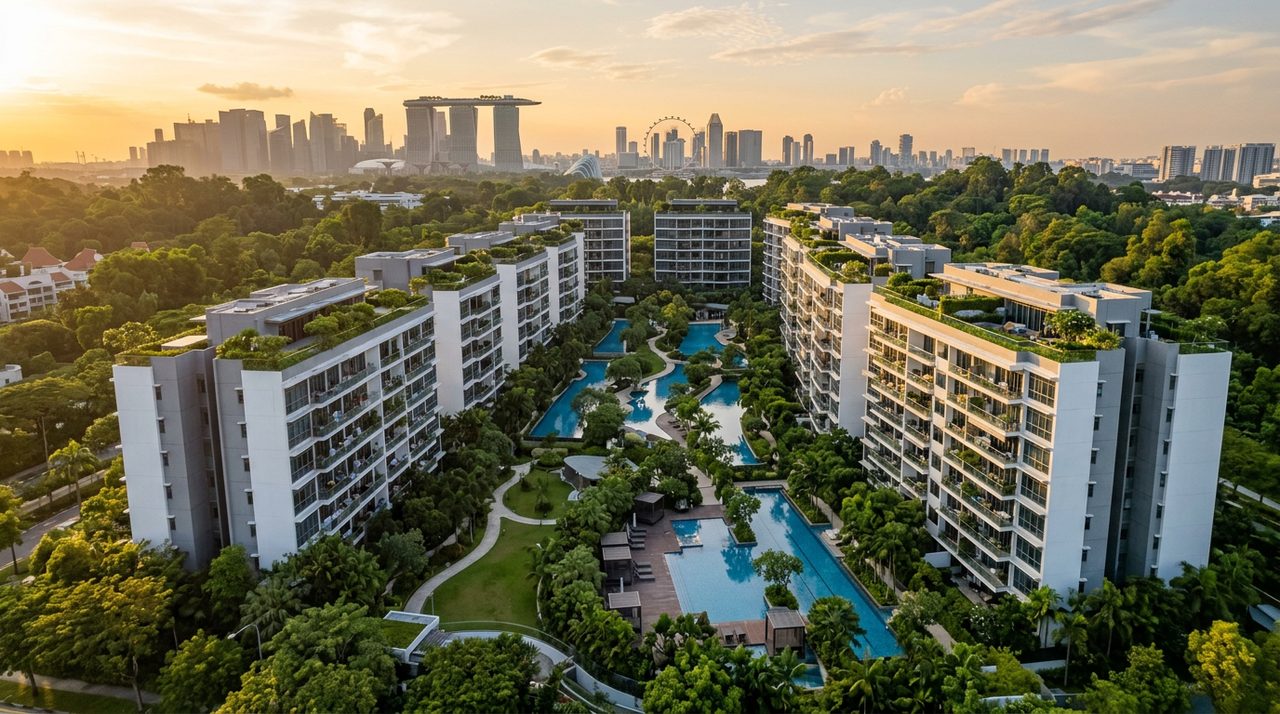
 plan
One condo, six in 10 sales: Thomson Reserve dominates October’s new-home rebound
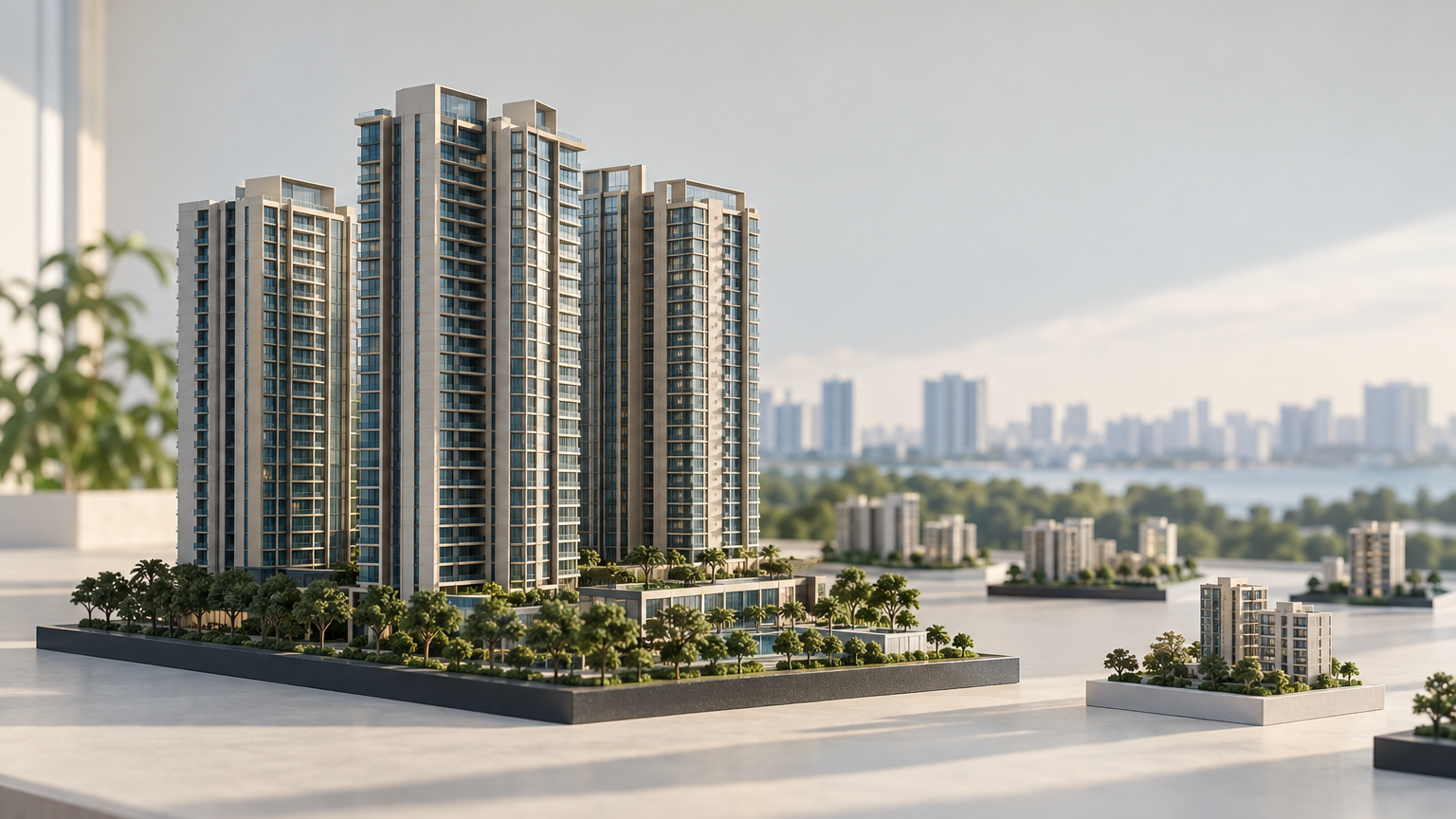
The project sold 1,029 of its 1,268 units. Its outsized contribution helps explain a busy month—and why owners should separate sales momentum from price changes.
Thomson Reserve sold 1,029 homes in October 2026, accounting for roughly six in every 10 new private homes sold by developers that month. The condominium’s sales helped push the reported islandwide total, excluding executive condominiums (ECs), to 1,716 units, the highest monthly tally in 12 months, according to reporting published on November 16.
For buyers weighing a purchase and owners considering a sale, the striking detail is how concentrated that activity was. Remove Thomson Reserve’s contribution and October’s total becomes 687 sales. That calculation describes the remaining transactions—not what the market would have done without the launch—but it makes clear how much one project shaped the headline.
How much of the rebound came from one project?
Thomson Reserve sold 1,029 of its 1,268 units during October. Dividing those reported figures gives sales equivalent to 81.2% of the development’s total units in the month. Its share of islandwide developer sales was 60.0%, calculated as 1,029 divided by 1,716. Those are two different measures: one describes take-up within the project; the other describes its weight in the wider month’s activity.
The concentration becomes sharper within the Rest of Central Region, one of the three geographical segments used in the report. That segment recorded 1,157 sales, against 488 in the Outside Central Region and 71 in the Core Central Region. Thomson Reserve therefore accounted for a calculated 88.9% of Rest of Central Region sales, leaving 128 transactions elsewhere in that segment.
The useful reading is that buyers committed in substantial numbers to a particular development. Treating the regional total as evidence of equally strong demand across its other projects would lose the most important detail in the figures: where those purchases actually happened.
Why the comparison month matters
October’s rebound followed a much quieter September, when developers sold 296 new private homes excluding ECs. The rise to 1,716 was about 480%. Yet October’s total remained 29.2% below the 2,424 sales recorded in October 2025. A sharp monthly recovery and a weaker year-on-year comparison can both be true.
Buyers also faced a very different volume of newly released stock. Developers launched 2,058 units for sale in October, compared with just 158 in September. October’s launch volume was nevertheless below the 2,233 units released a year earlier. The sales jump thus arrived alongside a substantial expansion in newly available choice.
For a household deciding whether to bring a purchase forward, that chronology matters more than the percentage increase alone. October records a busy buying month with a major launch contribution. The sequence supports reading sales alongside what developers brought to market, rather than treating the September-to-October change as a standalone measure of buyer appetite.
What buyers chose—and what prices tell us
There was evidence of demand for specific configurations at Thomson Reserve. Huttons Asia chief executive Mark Yip described its pricing as attractive and said the four-bedroom premium units with private lifts in the luxury collection, together with three-bedroom premium units, were among the first to sell out. That is his assessment of the project’s appeal, rather than a measured explanation of every purchaser’s decision.
The reported spending pattern adds another useful distinction. PropNex chief executive Kelvin Fong said about half the units sold at Thomson Reserve cost S$2.5 million or less, compared with about eight in 10 at Lucerne Grand. These are shares of each project’s sales below a total-price threshold, not comparisons of equivalent-sized homes or prices per square foot.
Fong also said median prices of new non-landed homes rose across all three geographical segments in October, largely because of the mix of units sold at new launches rather than a broad-based price increase. In everyday terms, a different basket of homes changed hands; the higher middle transaction price need not mean comparable homes all became dearer.
For an owner setting an asking price, that distinction is consequential. October’s aggregate median is a weaker basis for repricing an individual home than evidence involving genuinely comparable properties. The reported mix effect is precisely why sales volume and price movement deserve separate readings.
The next question is whether demand spreads
Knight Frank Singapore research head Leonard Tay interpreted October’s figures as showing buyers who remained active but were becoming more selective. That reading fits a month in which one development secured most of the transactions, although the sales counts themselves do not establish individual buyers’ motives.
For a buyer, the practical question is whether the particular home under consideration offers a convincing combination of layout, location and total price—not whether the islandwide monthly tally is high. For a seller, it is whether competing homes are finding buyers at comparable prices. Those are decision questions prompted by October’s concentration, rather than conclusions supplied by the headline number.
The next useful development to watch is whether strong sales extend across more projects. October has already established substantial demand for Thomson Reserve; the unresolved question is how broadly that buying activity will be shared.