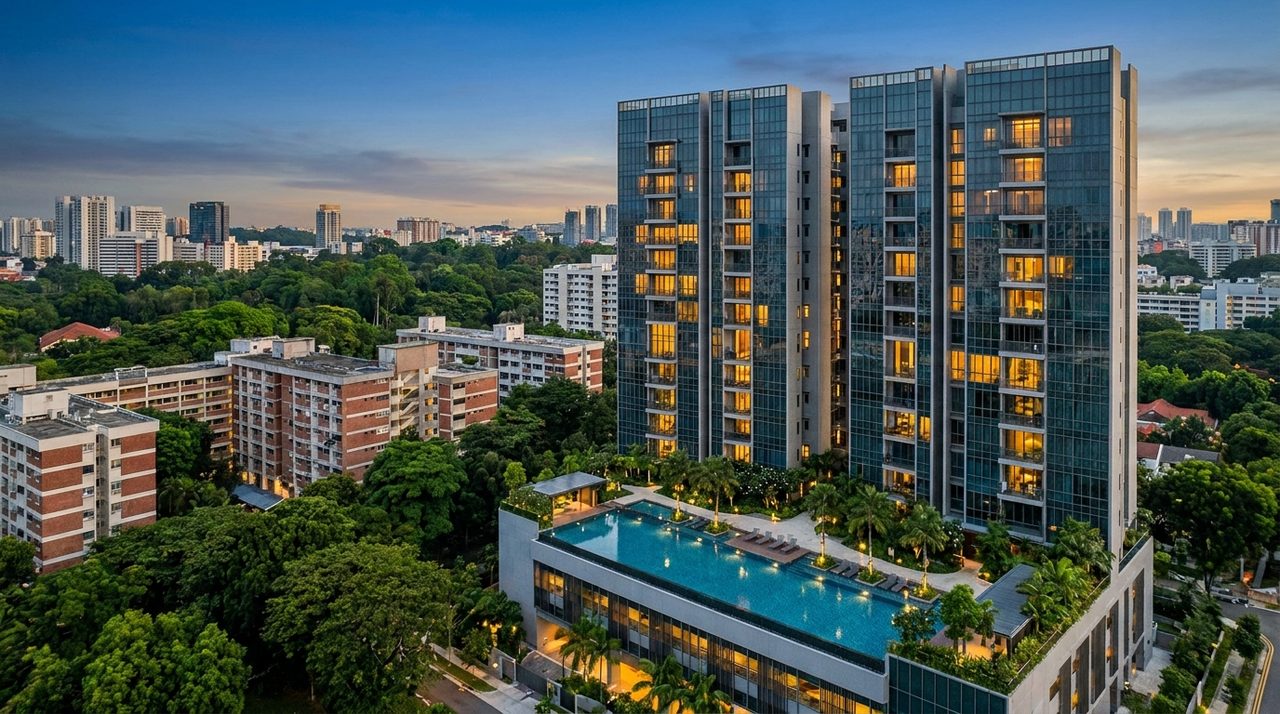
 plan
November BTO brings Toa Payoh’s first care apartments to buyers aged 55
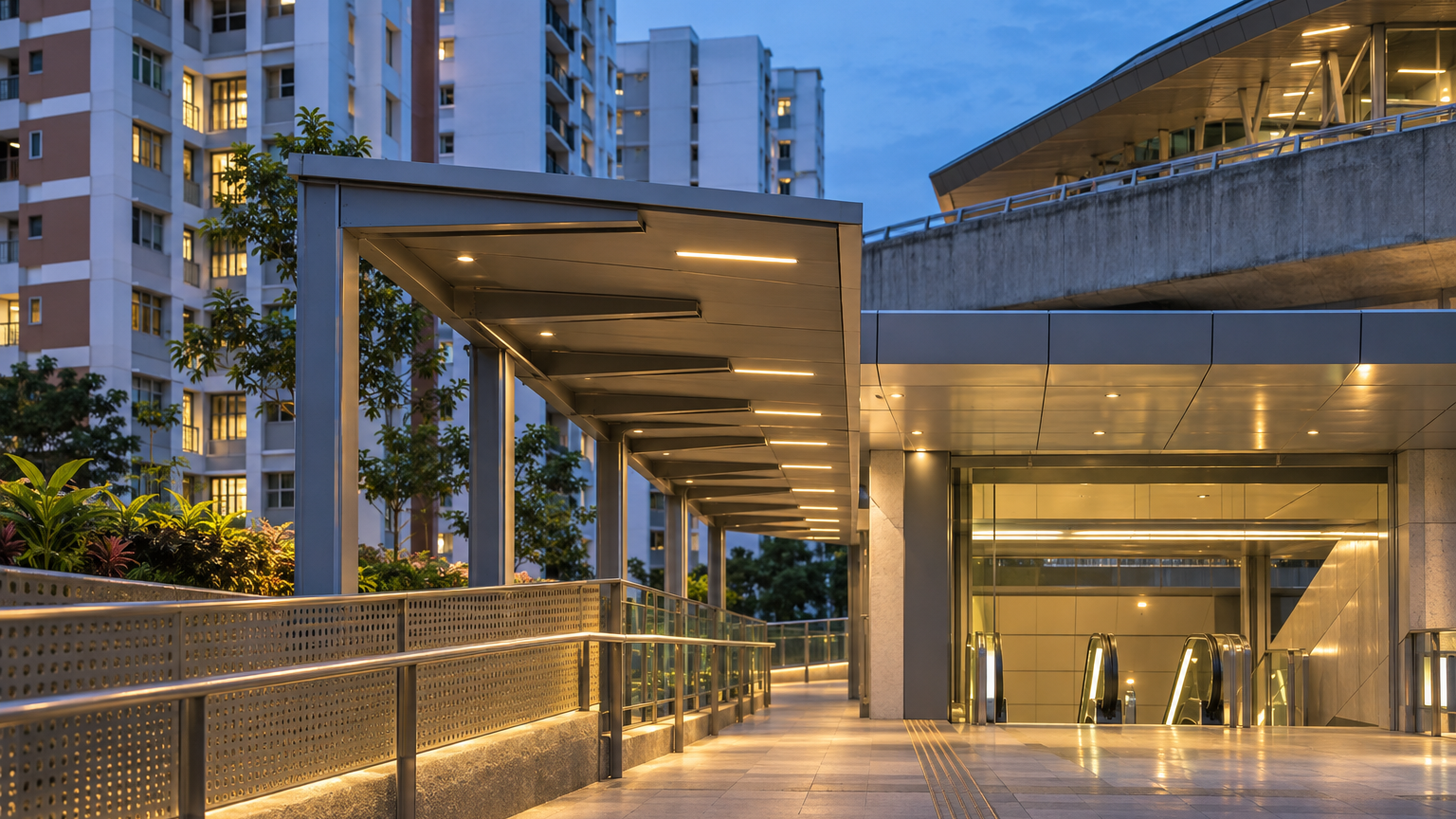
HDB plans about 7,960 flats across six towns. Beside Caldecott MRT, Toa Payoh West offers a distinctly different choice from Bayshore’s emerging neighbourhood.
For someone aged 55 considering a smaller home with care support, November’s Build-To-Order (BTO) exercise brings a new option: Toa Payoh’s first Community Care Apartments. HDB has lowered the minimum eligibility age for this housing type from 65 to 55, while its upcoming Toa Payoh West development beside Caldecott MRT includes 240 such apartments.
The wider exercise has also moved from October to November 2026. In its 22 August announcement, HDB said it would offer about 7,960 flats across six towns, with the postponement giving prospective buyers time to review their plans and obtain an HDB Flat Eligibility (HFE) letter under revised income ceilings.
That makes this more than a comparison of attractive locations. Bayshore’s planned neighbourhood and Toa Payoh West’s mix of conventional flats and care-linked apartments represent different housing choices—and the clearest distinction is who each option might serve.
Why the exercise moved to November
HDB’s announced supply covers Bedok, Geylang, Sembawang, Tengah, Toa Payoh and Yishun. Its August announcement gives an approximate total, rather than a final project-by-project inventory: about 7,960 flats, not the precisely stated 7,970 circulating in previews.
The timing change is tied to eligibility, rather than a stated change in construction schedules. HDB said buyers needed time to consider the new measures and apply for an HFE letter, which establishes their eligibility to buy a flat and the housing support available to them.
For eligible families applying for an HFE letter from 24 August 2026, the monthly household income ceiling was raised from $14,000 to $16,000. That is a $2,000 increase, making the exercise relevant to some households previously above the ceiling. Other eligibility conditions still apply; the higher income limit is not, by itself, an approval to buy.
The practical distinction is between being newly able to apply and knowing which flat to choose. The revised ceiling addresses the first question. Project prices, available flat types and completion dates are needed to answer the second.
Toa Payoh West adds a different kind of housing choice
HDB announced the Toa Payoh West development on 3 March 2026, describing approximately 1,600 units across five blocks beside Caldecott MRT. The planned mix includes 2-room Flexi flats, 4-room flats and 240 Community Care Apartments.
Those care apartments account for roughly 15% of the announced development, calculated from HDB’s approximate total. In other words, this is a mixed public-housing project with a substantial care component—not an entire development reserved for care apartments.
HDB also announced a food court, fast-food restaurant, supermarket, childcare centre and shops. These are concrete features of the development plan, alongside the station-adjacent location.
The important distinction for an older homeowner is the housing model. Community Care Apartments combine senior-friendly housing with care services; they are not simply conventional small flats carrying a different label. HDB’s age change opens that model to people aged 55 to 64 who were previously below the minimum age.
That creates a different question from the usual “two rooms or four?” comparison: would a home with care support fit the next stage of life? A household considering a conventional family flat and an older person exploring care-linked housing may be looking at the same development, but they are not choosing the same product.
Bayshore offers a neighbourhood still taking shape
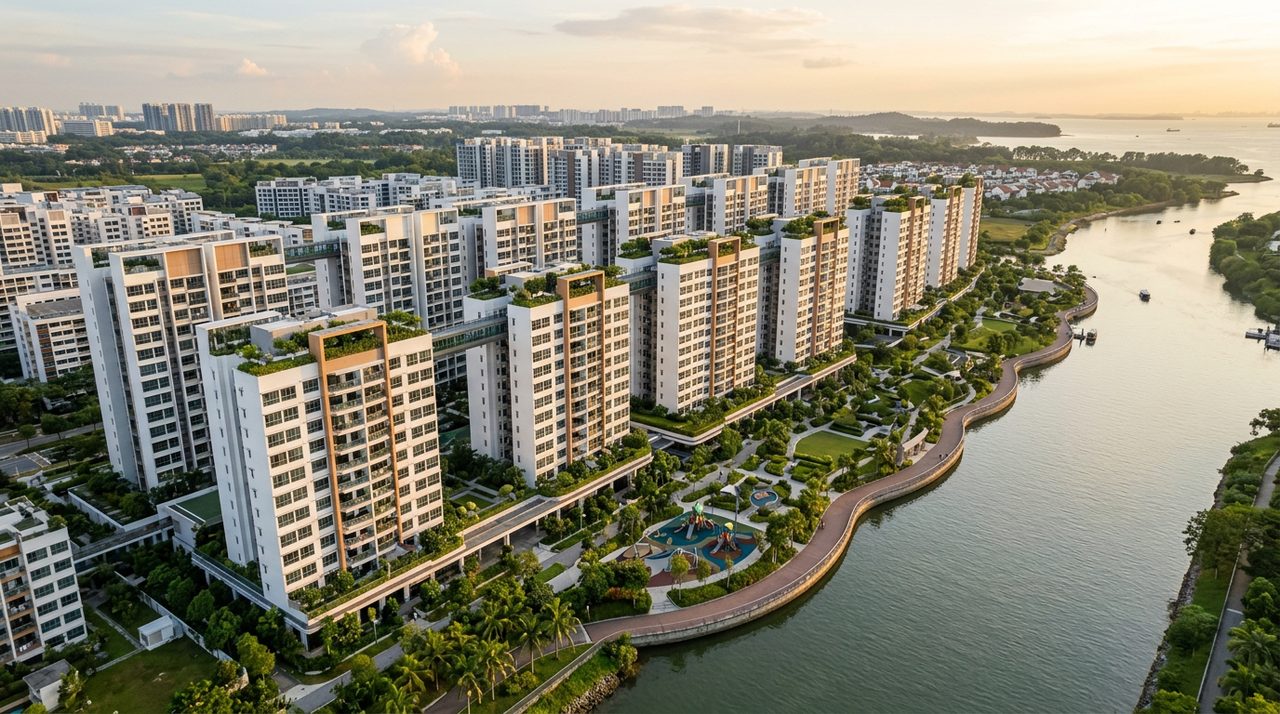
Bayshore’s appeal rests on a different proposition. URA describes a new neighbourhood beside East Coast Park, with plans for an integrated transport hub, central park, school and a transit-priority corridor. The area is planned to contain both public and private housing.
These plans help explain why Bayshore belongs in the conversation. For a household interested in the east coast, the attraction is not only an individual block: it is the prospect of living within a neighbourhood designed around new homes, transport and shared amenities. That is an interpretation of the published plans, rather than a prediction about demand.
But neighbourhood plans and a particular flat’s offer are different things. An integrated transport hub or planned school does not establish a project’s walking route, completion timetable or the amenities available when residents first move in. The useful comparison will eventually be between the actual project layouts and delivery schedules, not just the neighbourhood descriptions.
On the evidence available, Bayshore and Toa Payoh West can therefore be compared meaningfully at the housing-setting level: an emerging coastal neighbourhood versus a station-adjacent development with a defined care-housing component. A reliable ranking of individual upcoming projects needs the launch details.
What will settle the choice
Final project names, prices, completion dates, classifications and application rates remain unresolved in the supplied pre-launch evidence. It is therefore too early to label the Bayshore or Caldecott options Prime or Plus, or to declare which will be the most sought-after.
The chronology nevertheless matters. March’s Toa Payoh West announcement described an October launch; August’s later announcement moved the exercise to November and confirmed that Community Care Apartments would be offered in Toa Payoh. Read together, they connect the development plan with the revised sales timetable.
For now, the strongest change is a wider set of people able to consider a home: eligible families under the higher income ceiling, and people aged 55 to 64 newly within the age range for care apartments. November’s launch material will show what those expanded choices actually cost—and when buyers could move in.