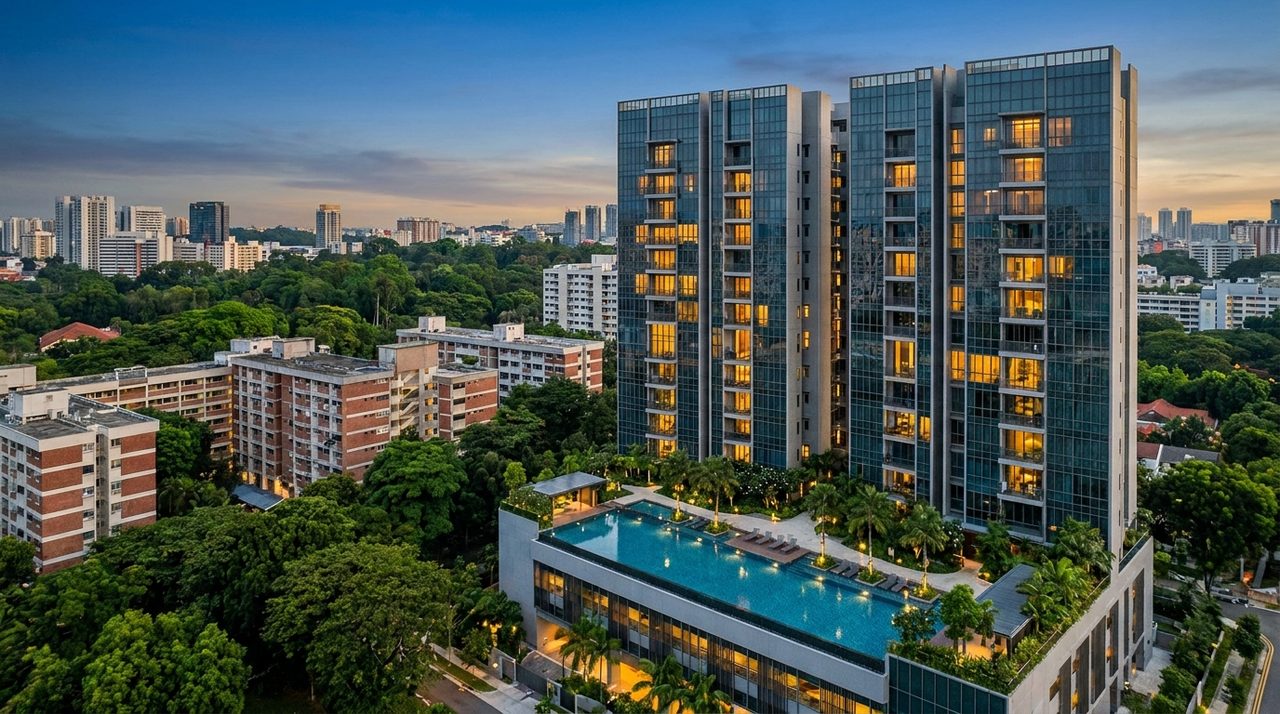
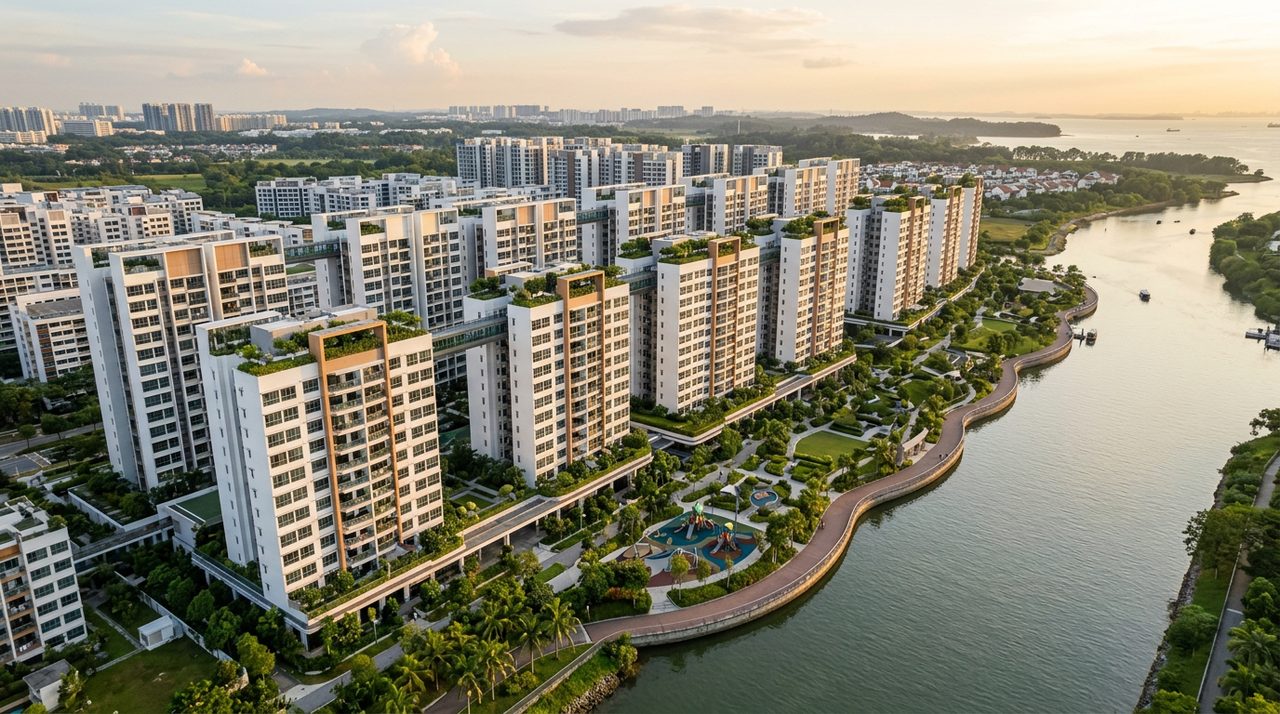
 plan
HDB cuts planned homes at Maju Forest and Gillman Barracks by about 1,200
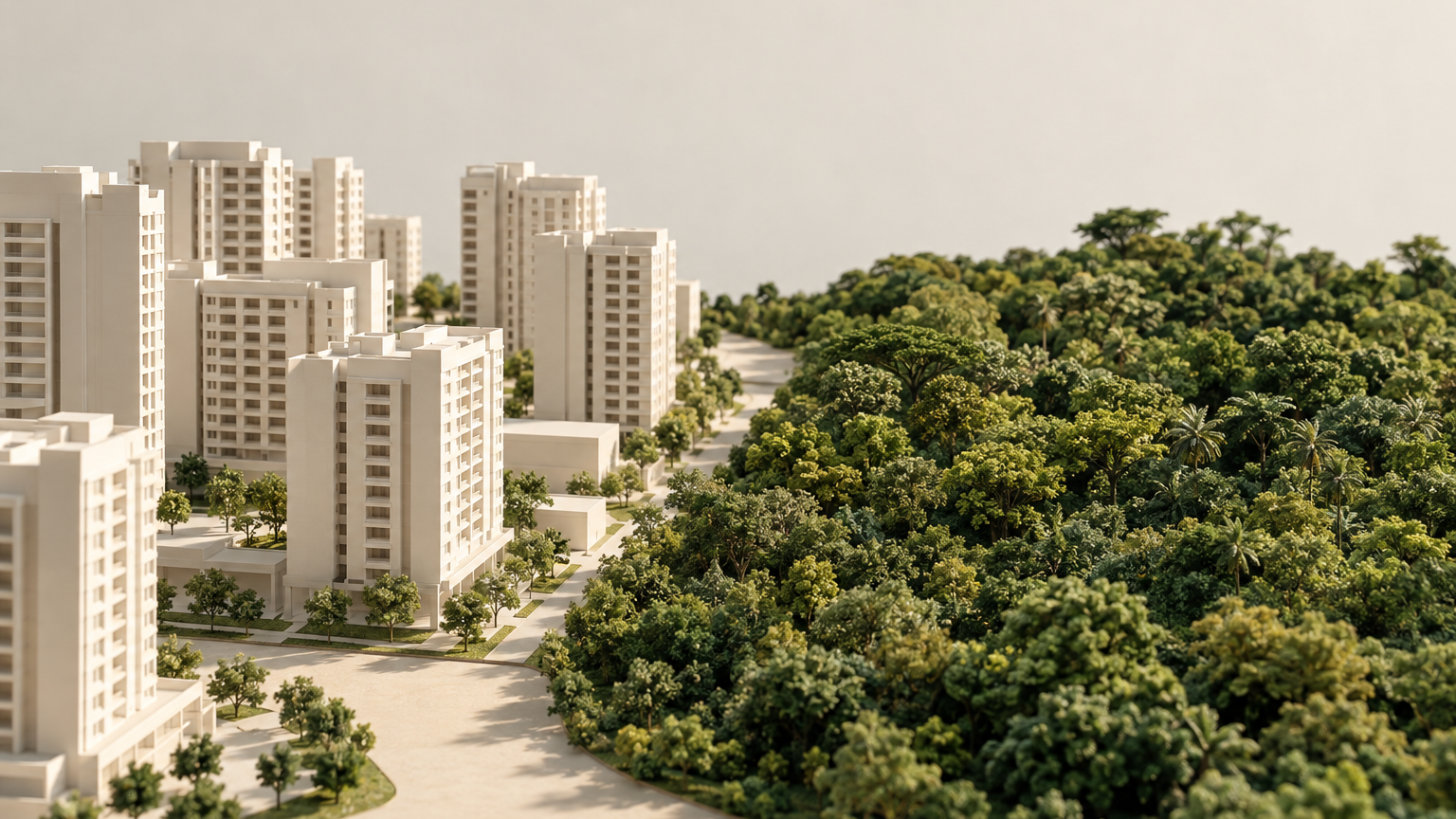
Around 11,000 homes remain in the revised concepts, with more connected greenery and continued retention of Gillman Barracks’ 25 heritage-significant buildings.
About 11,000 homes remain in the revised housing concepts for Maju Forest at Sunset Way and Gillman Barracks, after the Housing & Development Board (HDB) lowered the combined estimate by around 1,200 homes. Announced on 28 October 2026 following studies and public feedback, the revisions retain an additional six hectares of existing greenery while keeping housing planned for both sites.
For nearby residents and people hoping to live in these future neighbourhoods, the changes concern what will remain beside the homes: a wider, more continuous southern green area at Maju Forest, and more forest around Gillman Barracks’ hillock and green corridors. Gillman Barracks’ heritage-significant buildings also remain slated for retention.
Around 9,500 public-housing units remain in the concepts
Maju Forest’s revised concept provides for around 4,000 public-housing units, about 400 fewer than before. Gillman Barracks is expected to accommodate around 7,000 homes, including approximately 5,500 public-housing units, with its overall estimate reduced by about 800 homes.
Those totals describe different housing mixes. Maju Forest’s stated estimate is entirely public housing, whereas Gillman Barracks’ total includes other homes. Adding the public-housing estimates gives approximately 9,500 public-housing units across the two sites—not 11,000 HDB flats.
The concepts envisage development over the next decade, but the housing figures are conceptual estimates based on broad planning assumptions, subject to detailed design. For prospective buyers following these locations, they establish the scale of the planned neighbourhoods rather than a final flat count or a launch for applications.
Maju Forest keeps a wider southern green area
At Maju Forest, retained greenery increases from about 8 hectares to 10 hectares. The revised provision represents approximately 45% of the 23-hectare site, compared with around 35% previously.
The additional retained area is in the south, widening the greenery and making it more continuous along the Clementi Nature Corridor. The change therefore concerns both how much greenery is kept and how that greenery connects through the landscape.
The National Parks Board will safeguard significant retained portions as a new Nature Park at Maju Forest. Alongside the planned housing, the concept keeps an area intended specifically for nature, rather than treating all greenery as landscaping within the future residential estate.
The practical distinction is between a larger connected green area and isolated patches. Here, the revision adds roughly two hectares to the retained total while widening the southern connection—two related changes that a single percentage does not fully describe.
Gillman Barracks’ 60% measures something different
At Gillman Barracks, retained greenery rises from about 8 hectares to 12 hectares. Its 60% figure refers to 20 hectares of existing greenery, not the entire development site.
That is a different starting point from Maju Forest’s 45%. Maju’s percentage compares retained greenery with its whole site; Gillman’s compares retained greenery with existing greenery. Reading the two percentages as a ranking of how green the future neighbourhoods will be would miss that distinction.
The changes in hectares offer a simpler comparison: about two additional hectares retained at Maju Forest and four at Gillman Barracks. Added together, those reported changes account for the six additional hectares of existing greenery being kept under the revised concepts.
Gillman’s revision retains more forest around the hillock and widens corridors along Lock Road and Malan Road. Planned connections link into the Southern Ridges and towards Berlayar Creek and Labrador Nature Reserve, while significant retained greenery will form part of the upcoming Alexandra Nature Park.
The commitment to built heritage remains unchanged. Twenty-five buildings assessed as having exceptional or high heritage significance are still slated for retention, in clusters along Preston Road, Lock Road and Malan Road. The revised concept therefore has to accommodate new housing alongside both retained forest and existing heritage-significant buildings.
What feedback changed—and what comes next
During consultation from 10 July to 6 August 2026, HDB received around 7,200 submissions on Maju Forest and 2,300 on Gillman Barracks, and engaged approximately 1,000 stakeholders. Feedback covered habitat connections and development footprints, as well as Gillman Barracks’ heritage, cultural and community value.
HDB considered the suggestions alongside environmental studies, Gillman Barracks’ heritage study and housing requirements. One alternative—concentrating all Gillman housing on already developed land—was not adopted because Alexandra Park would not be available within the required housing-supply timeframe.
The outcome is a smaller housing estimate at both sites, with larger connected green areas and Gillman Barracks’ heritage-retention commitment preserved. Detailed design will determine how the roughly 11,000 planned homes fit alongside the natural and built places being kept.