 plan
Good Class Bungalow deals stir as sellers adjust expectations
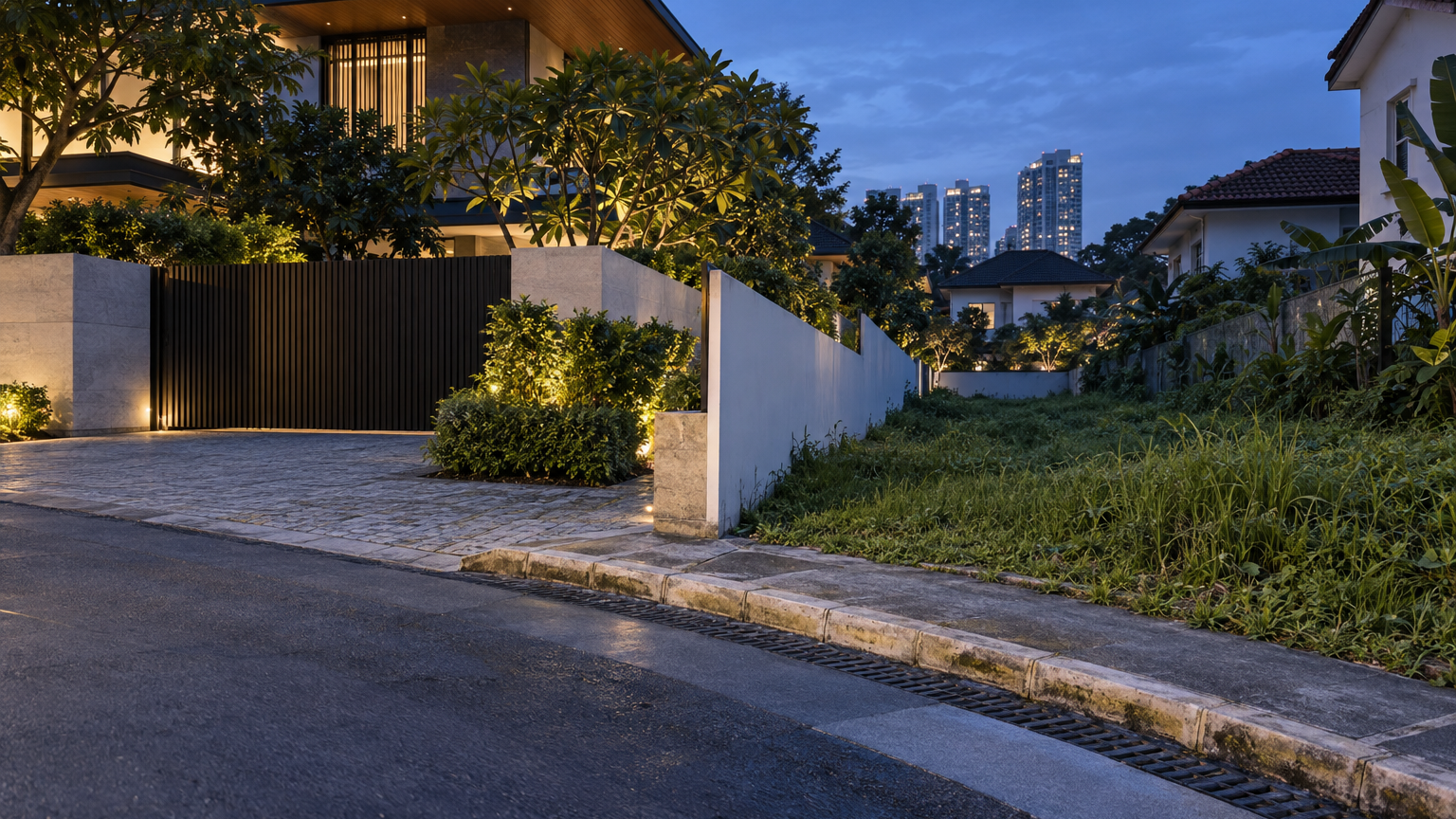
A reported late-2026 pickup remains small, but buyers have gained time to judge the plot—not just the house standing on it.
A buyer comparing Good Class Bungalows in 2026 has reportedly had an unusual luxury: time. Instead of deciding quickly, buyers have been able to inspect more homes and look closely at the land beneath them, according to a market report published on 16 October 2026.
That breathing room matters because the reported pickup in activity is modest, not a rush. The central change is that some sellers appear more willing to bring their expectations closer to what buyers will pay. In this rarefied market, “realistic” can depend as much on a plot’s shape, frontage and redevelopment potential as on the house standing there today.
Activity has improved, but only from a quiet start
Knight Frank’s analysis of caveats recorded by the Urban Redevelopment Authority (URA), as cited in the report, counted 14 transactions worth S$406.2 million from January to August 2026. That was down from 17 transactions worth S$530.6 million over the same eight months of 2025.
The average value implied by those totals was about S$29 million per transaction in 2026, compared with roughly S$31.2 million a year earlier. That calculation does not adjust for differences in plot size, location, tenure or building condition, but it gives a sense of the sums involved.
By 13 October 2026, the reported caveated tally had reached 17 transactions worth S$517.5 million, with the latest sale dated 30 September. In other words, three more caveated deals had been added beyond the January-to-August count, bringing the total number level with the first eight months of 2025.
This is evidence of some deal flow, but not yet proof of a broad rebound. A caveat is a legal notice lodged to protect a purchaser’s interest in a property; the dataset is useful for tracking deals, but it does not necessarily capture every private transaction. The figures here are also Knight Frank’s reading of URA Realis data as reported at a particular point in time, rather than a complete year-end record.
What “realistic pricing” means here
Steve Tay, executive director of Steve Tay Real Estate, was reported as saying that buyers had generally been able to take their time in 2026 and that prevailing prices had become more realistic. That is an intermediary’s assessment of negotiations, rather than an official price measure.
In practical terms, a realistic price is one at which a seller’s asking level and a buyer’s assessment are close enough for negotiations to produce a deal. The phrase does not necessarily mean that every owner has cut a price, or that Good Class Bungalows have become cheap.
The distinction is important because sellers in this segment may have substantial holding power. If they are not under pressure to sell, they can maintain an asking price and wait. Buyers, meanwhile, can reject a property when its site qualities do not justify that expectation. A pickup can therefore happen simply because a few owners and buyers finally agree—not because the whole market has suddenly changed direction.
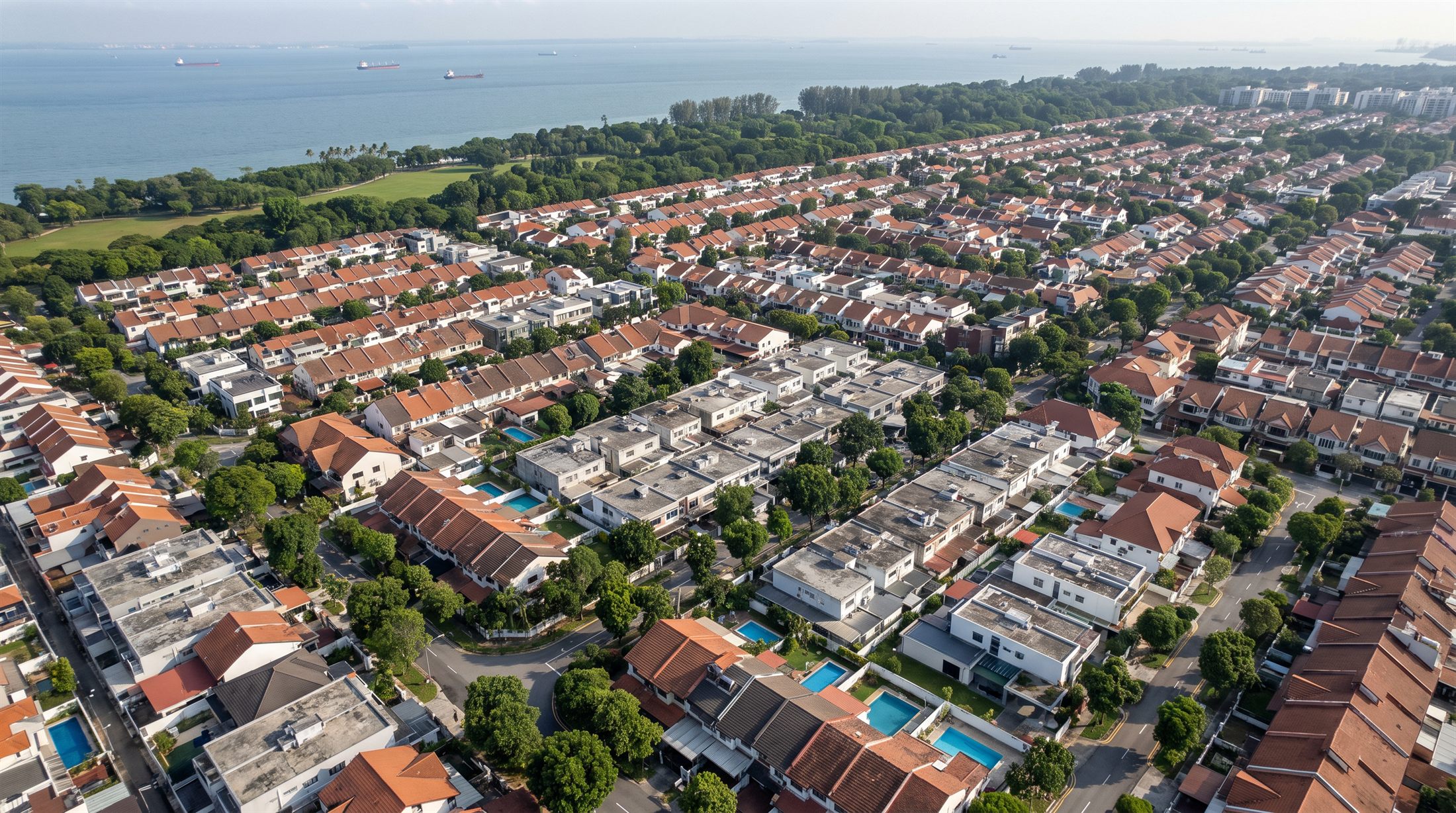
Nor are all GCBs interchangeable. Singapore has 39 designated Good Class Bungalow Areas, and only bungalow developments are permitted within them. A home’s precise road, plot and planning constraints can materially affect what a buyer believes the site is worth.
Buyers may be assessing the land before the house
A large, beautifully renovated bungalow may appeal to someone seeking a move-in-ready home. Another buyer may view the same building as something to alter or replace, making the underlying land and what can legally be built on it more important than the finishes.
URA’s current controls generally require a new GCB plot to have at least 1,400 sq m of land, a minimum width of 18.5 m and a minimum depth of 30 m. These thresholds help explain why headline land area alone does not tell the full story.
Consider two plots with the same total area. A regular, sufficiently wide site may offer a more straightforward building footprint and arrival sequence. A narrow, oddly shaped or steep plot could require more design work, while road access and frontage may affect how easily vehicles enter and how the home is arranged. These are practical interpretations of site design, not a claim that any one feature automatically commands a fixed premium.
There are also limits on how much of the site a bungalow may cover. URA’s prevailing controls specify maximum overall site coverage of 45%, including a 35% sub-control for the main building footprint. Setbacks and other planning requirements further shape the space available for the house, garden, driveway and ancillary structures.
That creates a useful separation between two things buyers are pricing:
- The existing home: its condition, layout, architecture and whether it suits the household.
- The site: its dimensions, geometry, access and lawful redevelopment envelope.
A house that looks dated may still sit on highly usable land. Conversely, an impressive building may not erase a difficult plot or a layout that does not suit the next owner. This is why “realistic pricing” in a GCB negotiation can reflect a sharper assessment of land quality rather than a simple discount on the existing house.
More choice changes how households inspect a GCB
Jacqueline Wong of JQT Private was reported as saying that households should visit shortlisted homes together. Her broader comments included the view that newly naturalised Singapore citizens may pay premiums for the best properties, although this remains her market assessment rather than independently measured demand.
The family-viewing point is more tangible. At this price level, a choice can involve whether to preserve a house, renovate it extensively or rebuild it. Household members may place different weight on privacy, multigenerational living, garden space, vehicle access and the disruption involved in construction.
When buyers have time, those differences can be examined before an offer is made. It becomes possible to compare not merely floor finishes and bedroom counts, but whether the plot supports the home the family ultimately wants. That is a more meaningful form of choice than simply having more listings to browse.
The remaining test is completed deal flow
The reported figures describe a quieter first eight months followed by additional caveated transactions before mid-October. They support the narrower conclusion that activity had begun to move again, while agents saw some seller expectations becoming more workable.
They do not establish the forecast pickup for the rest of 2026 as a completed turnaround. Forecasts of stronger activity and price growth in 2027 remain views attributed to market intermediaries, not results already recorded.
The clearest next test is therefore straightforward: whether more negotiated agreements proceed to caveated sales in the final months of 2026. Until then, the most useful change for a serious GCB buyer is not urgency. It is the reported opportunity to compare the land carefully—and decide whether the seller’s price truly reflects what can be made of it.