 plan
Balestier condo returns to en bloc market at unchanged S$255 million
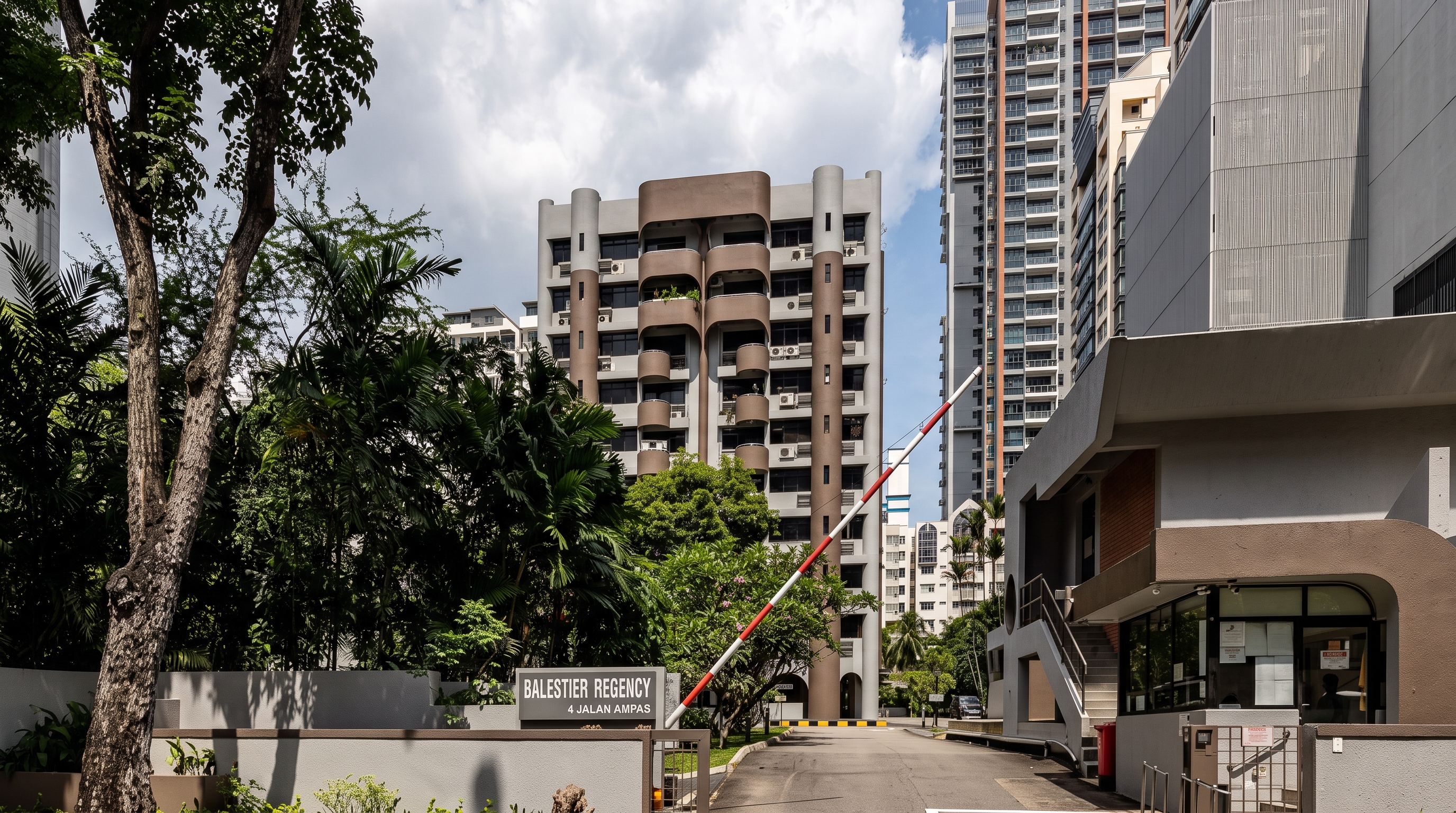
The 72 owners have opened a fresh tender with bids due by 3pm on 12 November 2026.
The owners of Balestier Regency have put their entire condominium up for sale again, keeping the guide price at S$255 million. The new public tender opened on 13 October 2026 and closes at 3pm on 12 November 2026.
Why is this news if the number has not changed? Because 72 households are once again waiting to see whether a developer will bid for their freehold site. The price is an invitation to make an offer—not a completed deal or a guaranteed payout.
The owners are holding their price
Balestier Regency previously entered the collective-sale market in May 2026 with the same S$255 million guide price. That tender closed on 9 July, while the October exercise gives potential buyers a fresh deadline without offering a headline price cut.
A collective sale, commonly called an en bloc sale, means selling the whole development together instead of owners selling their apartments individually. For residents, the relaunch extends a period of uncertainty: their homes remain theirs unless the tender attracts a buyer and the subsequent sale process is completed.
The unchanged price is the clearest choice the owners have made. They are returning to the market on substantially the same asking basis rather than lowering their target to attract bids. What has changed is the window in which a developer can respond.
SRI Capital Market is handling the tender. Its managing partner, Low Choon Sin, said in the reported marketing release that the site could suit developers taking a medium- to long-term view. That is the selling agent’s assessment, rather than evidence that a bidder has committed.
What S$255 million means for 72 households
Balestier Regency is a 10-storey, 72-unit freehold development completed in 1990. It occupies a 61,931 sq ft site at 4 Jalan Ampas.
Dividing S$255 million equally among 72 units produces about S$3.54 million per home. That is useful only as a scale comparison, not an estimate of what each owner would receive. Collective-sale proceeds are allocated under an agreed method, and individual sums need not be equal; transaction-related costs would also matter.
The guide price likewise should not be confused with an achieved sale price. A bidder could submit an offer, but the tender deadline itself does not create a transaction. Until an acceptable bid emerges and the required steps are completed, S$255 million remains the owners’ target.
For a developer, the more relevant comparison is not the number of existing apartments but how much floor space may be built. At the guide price, the site is being marketed at about S$1,473 per square foot per plot ratio, including an estimated land betterment charge of S$381,181 based on September 2026 rates.
“Per square foot per plot ratio” is industry shorthand for the price of each square foot of potential development floor area. It lets developers compare sites of different sizes and allowable densities, although it does not include every construction, financing and selling cost.
A larger replacement project is possible, not approved
The site has a stated gross plot ratio of 2.8. Applied to its land area, that equates to around 173,407 sq ft of maximum gross floor area.
The marketing material suggests that a replacement development could contain as many as 161 apartments—89 more than the existing 72 units, or roughly 124% more homes. That comparison helps explain the redevelopment proposition: a buyer would be paying for the opportunity to replace one ageing block with a larger project.
But 161 units is an indicative estimate, not an approved building plan. The Urban Redevelopment Authority explains that the plot ratio in the Master Plan represents the maximum permissible development intensity. The full amount may not always be achievable because the eventual design must also satisfy site configuration, height, setback and other technical controls.
In everyday terms, a 2.8 plot ratio defines the broad planning envelope; it does not promise a particular number of apartments or a particular building height. A buyer would still need to test what can practically fit on this specific site and secure the necessary approvals.
The next meaningful number is the bid
The October relaunch does not establish a new Balestier land benchmark because there is no reported sale at S$255 million. Nor does the unchanged guide price reveal what developers will ultimately be willing to pay.
What it does establish is a clear choice by the owners: offer the same 72-home property again at the same target, rather than return with a discount. For developers, the calculation is whether the site’s freehold tenure and potential floor area leave enough room after acquisition, building and other costs.
For residents, everything now turns on a more concrete event than the asking price. When the tender closes at 3pm on 12 November 2026, the important question will be whether anyone has placed a bid the owners can accept.