 plan
A 1937 Lornie Road family home returns with an $83m guide
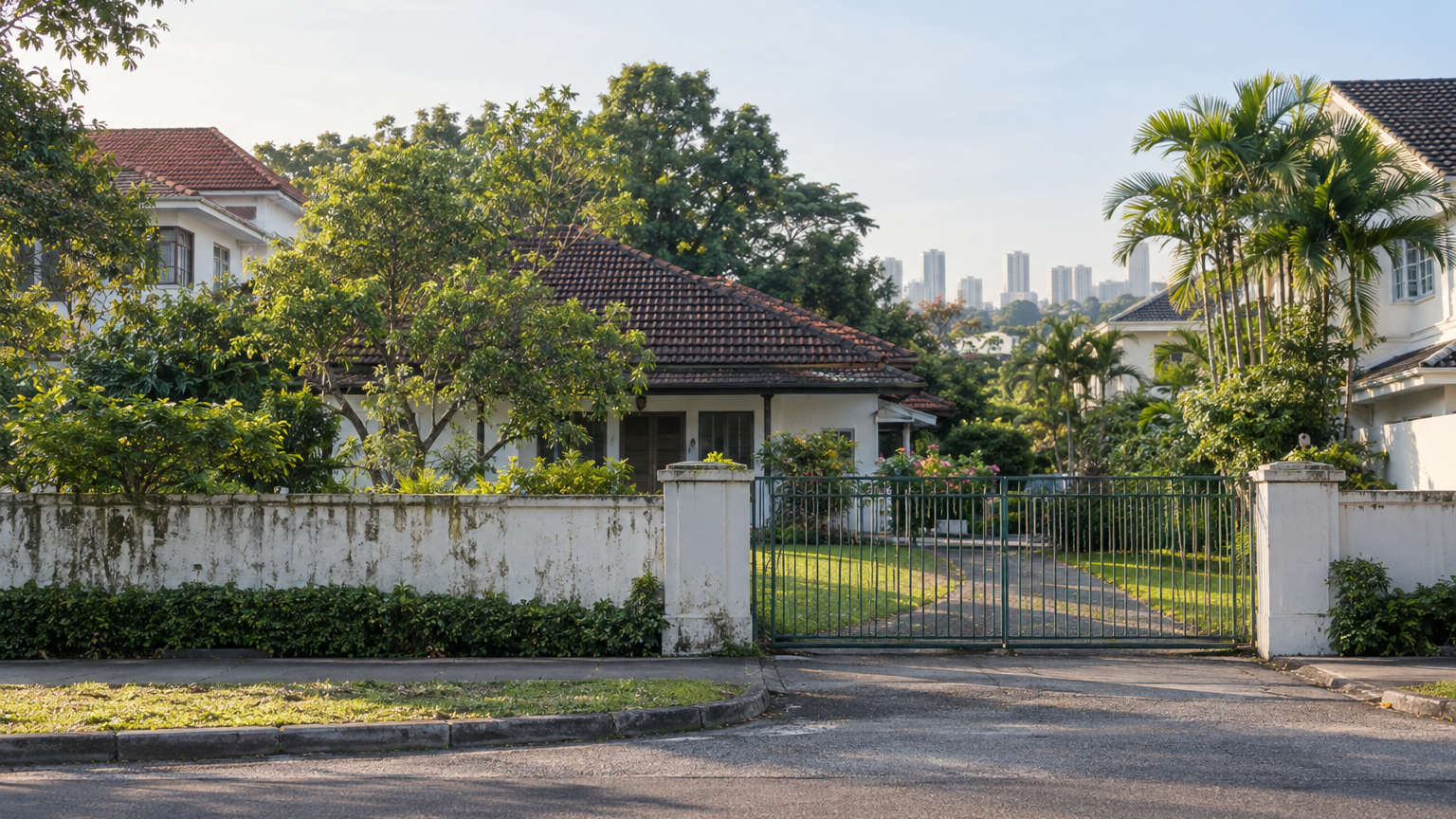
The late developer Chng Gim Huat’s 51,700 sq ft estate could remain one compound or, with approval, make way for multiple landed homes.
A sprawling freehold estate at 8 Lornie Road has returned to the market through a public tender, with an $83 million guide price. The 51,700 sq ft property can remain one large family compound or, if the authorities approve, be redeveloped into several landed homes—giving its next owner a choice that could completely change the site.
That choice carries a human weight. The bungalow was built in 1937 and later became the family home of the late property developer Chng Gim Huat. His seven children grew up there, while its home office served as a place for evening discussions about the family property business, according to an account from his son, Alex Chng.
A home, office and family gathering place
The estate’s story is larger than its guide price. Chng Gim Huat’s family expanded the house over time as five sons and two daughters grew up, turning it into a multigenerational home rather than simply an oversized bungalow.
Alex Chng previously described how he joined the family business after working as a stockbroker. Business conversations often continued after dinner in his father’s office at the house, making 8 Lornie Road both a domestic setting and an informal base for the family’s work.
The family first put the property on the market in May 2025 with an $82 million guide price. That offering was subsequently withdrawn, and the estate has now returned through a public tender at a guide that is $1 million higher.
This latest marketing exercise began on 13 October 2026. Bids are due by 3pm on 12 November 2026. A tender invites interested parties to submit offers; it does not mean the property has sold for $83 million—or at all.
What the $83 million guide buys
At the asking level, the guide works out to about $1,605 per sq ft of land, based on the stated 51,700 sq ft site area. That is a calculation from the guide price, not a valuation of each existing building or any future house.
The land is freehold and has approximately 58 metres of road frontage. That frontage matters because a developer considering several landed plots needs workable access and sufficient plot widths, not merely a large total land area.
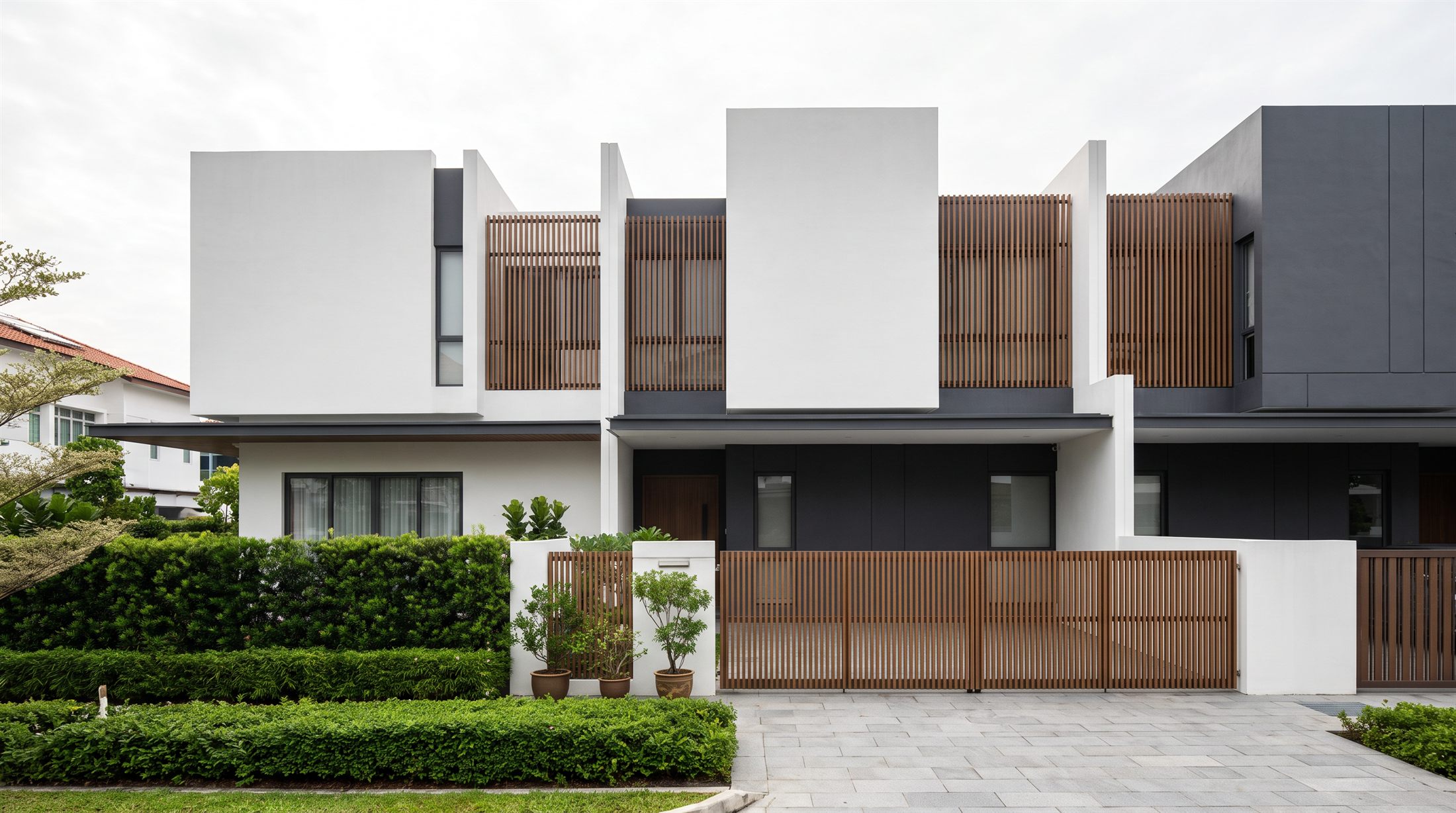
Knight Frank, the exclusive marketing agent, has presented several possible futures for the property. A buyer could retain it as one multigenerational estate or explore detached houses, semi-detached houses or cluster housing, subject to the relevant approvals.
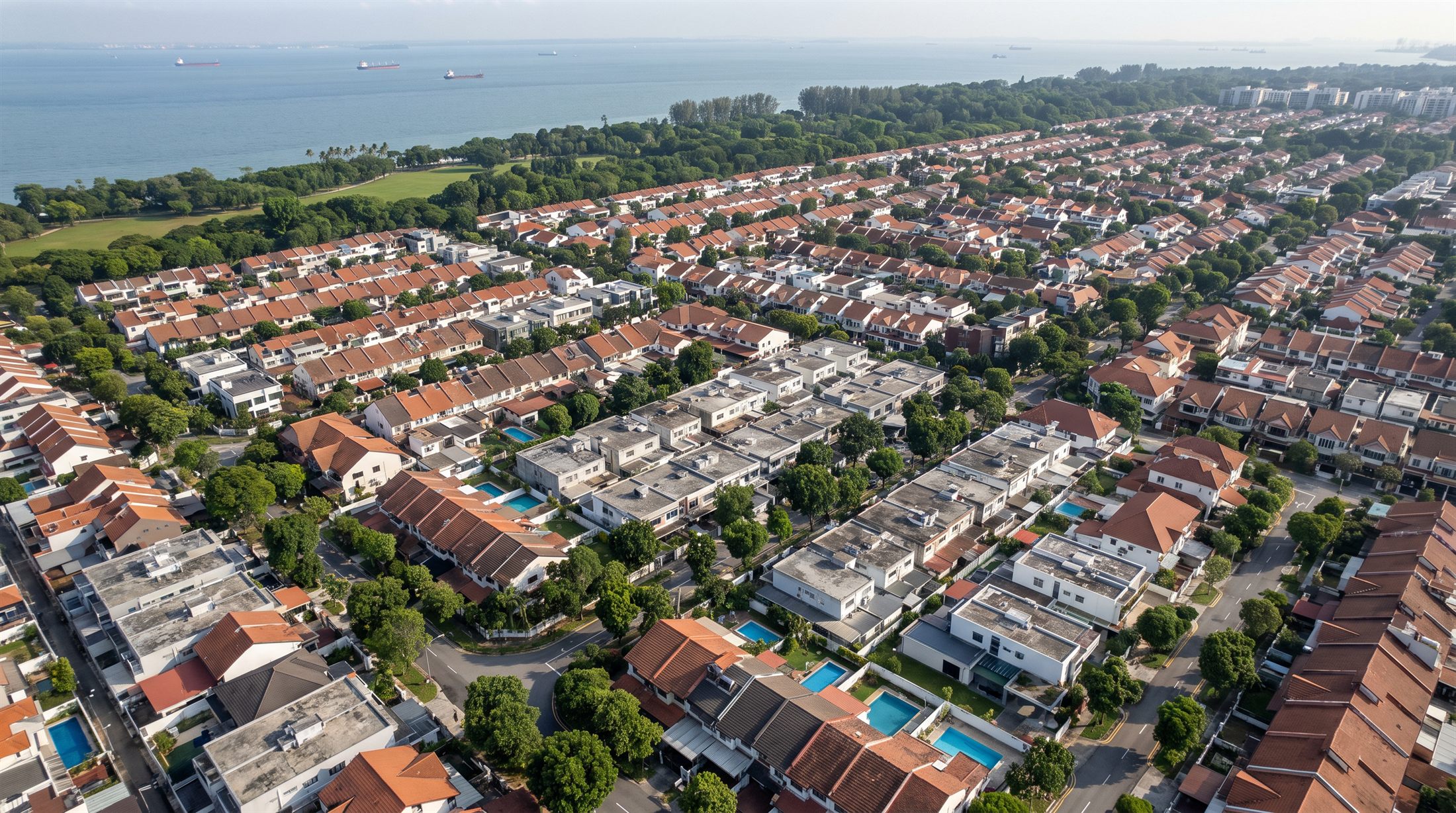
This is therefore not quite the usual story of one expensive old home changing hands. The physical scale of the land means a sale could also mark the end of one family compound and the beginning of a small landed development.
Could it really become 16 homes?
The eye-catching number attached to the property is 16 semi-detached houses. In May 2025, the marketing agent’s representative said the site could potentially accommodate six detached houses or 16 semi-detached houses, subject to approval.
The distinction between “could” and “will” is important. The current tender announcement identifies broad redevelopment possibilities but does not repeat those precise housing counts. There is no approved 16-home scheme being offered for sale.
Under Urban Redevelopment Authority guidance, turning one landed property into more than one landed housing plot requires planning permission. The eventual number and form of homes depend on the planning controls for the site, minimum plot dimensions and other technical requirements.
For a standard side-by-side semi-detached house, URA generally specifies a minimum plot area of 200 sq m and a minimum width of 8 metres. But dividing 51,700 sq ft by a minimum plot size would be too simplistic: an actual proposal must also make room for matters such as access, setbacks and any applicable road or drainage requirements.
In everyday terms, 16 homes is a development scenario for a buyer to investigate—not 16 future houses that have already cleared the planning process.
The decision now passes to the market
The public tender creates a clearer deadline than the previous private marketing exercise, but the guide remains only the seller’s pricing indication. The bids will show whether any buyer values the estate more as one rare, very large home or as land with redevelopment potential.
For the Chng family, the offering places a home filled with several generations of personal and business history back before buyers. For whoever eventually acquires it, the consequential decision will come afterwards: preserve the compound’s unusual scale, or seek permission to replace one family address with a new collection of landed homes.